Best HVAC Systems for Coastal Climates: Santa Barbara County Guide
Coastal Living and HVAC Challenges in Santa Barbara County
Living along California’s Central Coast offers beautiful weather and ocean views—but it also comes with unique HVAC challenges. Homes in Santa Maria, Santa Barbara, and Carpinteria experience high humidity, salt-laden air, and fluctuating temperatures that can impact HVAC performance and longevity.
If your system isn’t designed for coastal conditions, you may face premature corrosion, poor airflow, or reduced efficiency. That’s why choosing the right HVAC system for your coastal home is so important.
At SMI HVAC Services, we specialize in heating and cooling solutions built to thrive in Santa Barbara County’s coastal climate. This guide explores the best system types, materials, and maintenance practices for lasting comfort and reliability.
Why Coastal Climates Are Tough on HVAC Systems
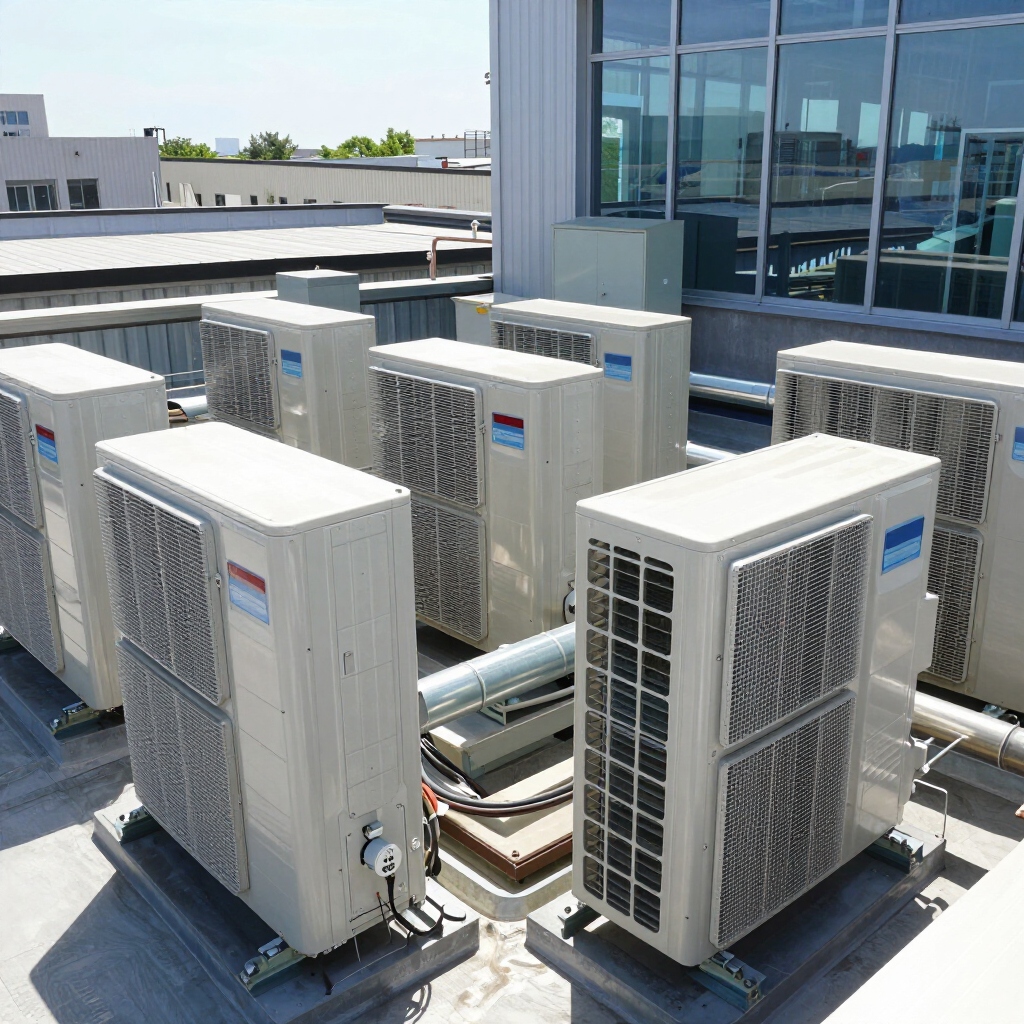
Ocean air contains salt, moisture, and minerals that can accelerate wear on metal components—especially the condenser coils, electrical connections, and outdoor unit casing. Without proper protection, salt corrosion can significantly shorten your system’s lifespan.
Common coastal HVAC issues include:
- Corrosion and rust on outdoor coils and fan blades
- Reduced efficiency due to salt buildup
- Electrical failures caused by moisture intrusion
- Shorter equipment lifespan compared to inland systems
Even if you don’t live directly on the shore, salt air can travel miles inland in
Santa Barbara County, affecting homes in Santa Maria, Orcutt, and Lompoc.
Top HVAC Systems for Coastal Environments
Here are the most reliable, energy-efficient systems designed to handle humid, salty air while keeping your home comfortable year-round.
1. Coastal-Rated Air Conditioners
Coastal-rated air conditioners are built specifically for homes near the ocean. They include corrosion-resistant coatings, stainless-steel components, and sealed electrical parts.
Best Features:
- Protective coatings on condenser coils and fins
- Sealed cabinets to block moisture
- Powder-coated hardware that resists rust
- High SEER2 efficiency ratings (≥18) for California climate compliance
Top Choices:
- Carrier® Coastal Series
- Lennox® Coastal Design Units
- Trane® WeatherGuard™ Systems
These systems are ideal for homes within 10 miles of the coast, where corrosion risk is highest.
2. Ductless Mini-Split Systems
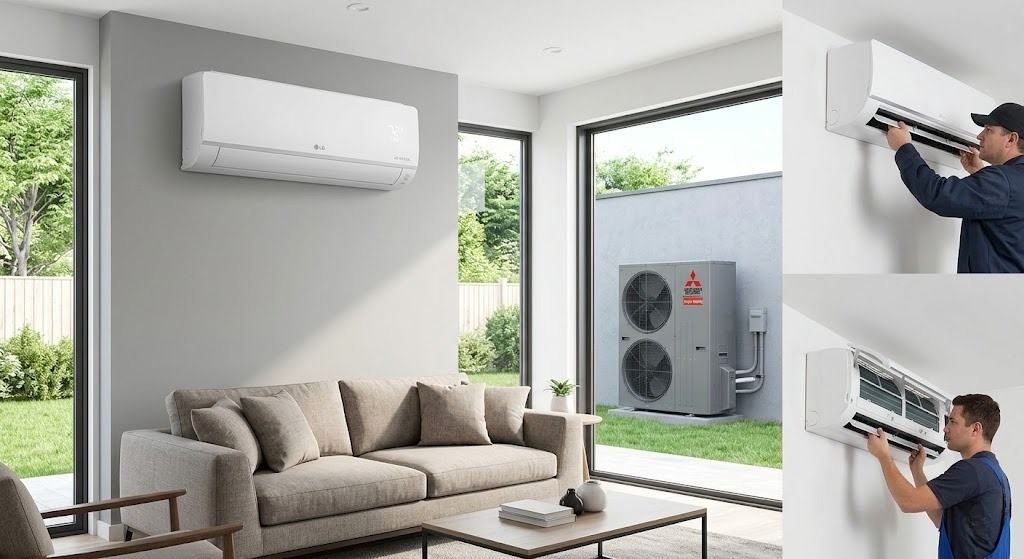
Ductless mini-splits offer exceptional performance in coastal regions. Because they lack extensive ductwork, they reduce the risk of condensation and salt buildup inside ducts.
Advantages:
- Zoned comfort control for each room
- No duct corrosion or airflow loss
- Inverter technology for energy savings
- Compact outdoor units easier to protect and maintain
Perfect for older coastal homes or remodels, ductless systems provide flexibility and efficiency—especially in Santa Barbara’s historic neighborhoods or Santa Maria ranch-style homes.
3. Heat Pump Systems (Air-Source or Ducted)
Heat pumps are one of the most efficient choices for California’s mild coastal climate. They provide both heating and cooling, using electricity instead of fuel combustion.
Key Benefits:
- Energy-efficient performance year-round
- Reduced carbon footprint (no combustion gases)
- Works efficiently in moderate temperatures typical of Santa Maria and Santa Ynez
- Available in coastal-rated models with corrosion-resistant coatings
New heat pumps using inverter compressors automatically adjust to outdoor conditions—reducing energy use while maintaining consistent comfort.
4. Hybrid HVAC Systems
A hybrid heating and cooling system combines an electric heat pump with a gas furnace. The system automatically switches between electricity and gas depending on temperature and energy cost.
Why it’s ideal for the Central Coast:
- Uses electricity most of the year for energy savings
- Switches to gas only on colder nights in inland areas like
Santa Ynez Valley
- Offers redundancy and reliability in varying climates
Hybrid systems are popular among Santa Maria homeowners who want both efficiency and flexibility.
5. Coastal-Resistant Package Units
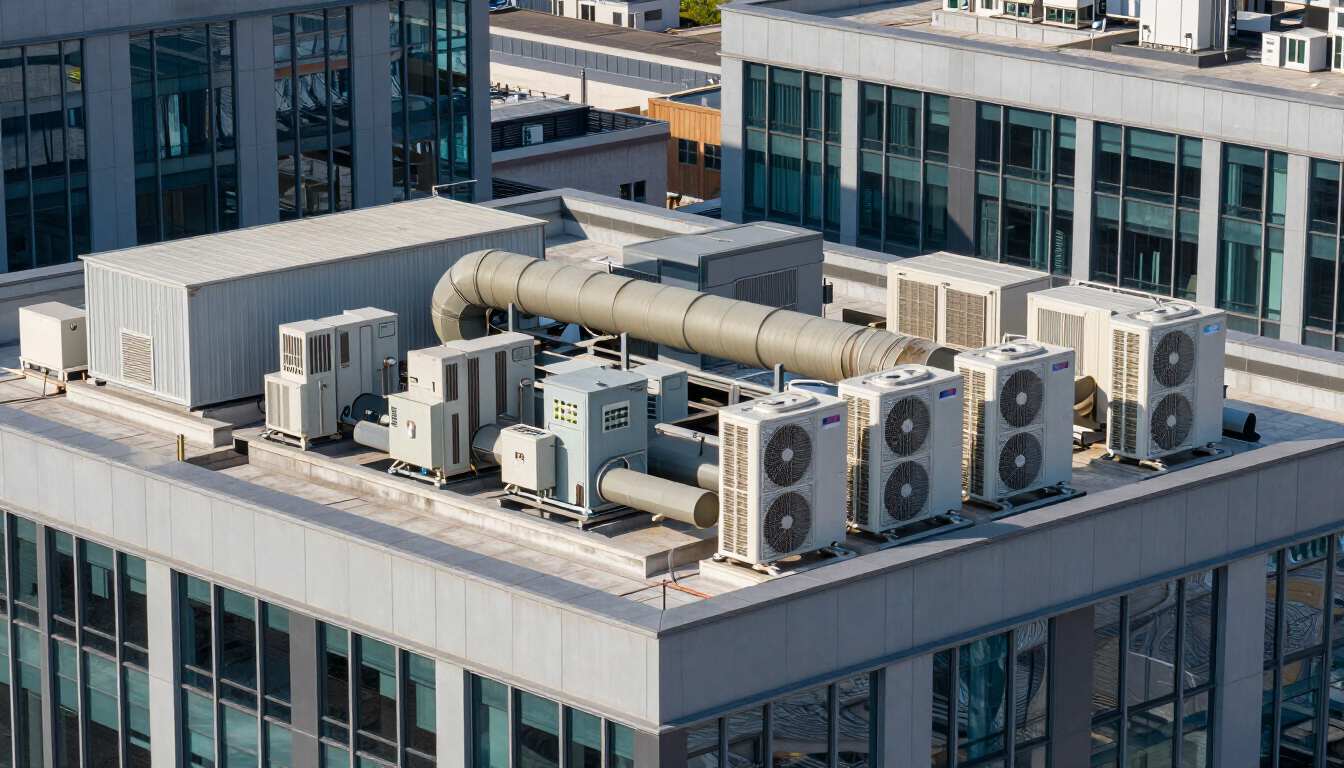
For homes with limited indoor space or rooftop installations, coastal-rated package units are designed for durability. These all-in-one systems house all components outdoors in a corrosion-resistant casing.
Features:
- Weatherproof composite panels
- Stainless steel heat exchangers
- Factory-applied anti-corrosion coatings
- Sealed electrical compartments
They’re a great option for commercial buildings or apartments near the coast.
Protective Upgrades for Coastal HVAC Systems
Even the best system needs added protection in coastal areas. SMI HVAC Services recommends the following upgrades and maintenance practices for long-term reliability.
1. Anti-Corrosion Coatings
Applying a specialized epoxy or polymer coating to outdoor coils protects them from salt exposure. Many manufacturers offer this upgrade for coastal installations.
2. Raised Platforms or Concrete Pads
Elevating the outdoor unit helps prevent contact with saltwater puddles, flooding, or lawn irrigation spray.
3. Protective Covers
Use breathable, weatherproof covers when the system is not in use to shield components from direct salt exposure.
4. Routine Coil Cleaning
Regular coil washing removes salt, dust, and debris. Use a mild detergent and rinse with fresh water—never pressure-wash, which can bend fins or force salt deeper into coils.
5. Annual Professional Maintenance
Schedule
biannual tune-ups—in spring and fall—to ensure coils, electrical connections, and refrigerant levels remain optimal for Santa Barbara County’s environment.
Book your [HVAC Maintenance -
https://www.smihvacservices.com/residential-repairs-and-maintenance] with SMI HVAC Services today.
Energy Efficiency Considerations
In addition to corrosion resistance, energy efficiency is key for coastal homeowners. Look for systems that meet or exceed California’s
Title 24 Building Energy Standards, which set minimum efficiency requirements.
Efficiency tips for coastal climates:
- Choose
variable-speed compressors to handle mild temperature shifts.
- Install a programmable thermostat for energy control.
- Use proper insulation and air sealing to prevent humidity intrusion.
Pair with high-efficiency air filters to capture coastal pollen and dust.
Local Case Example: Coastal HVAC Upgrade in Santa Barbara
In late 2024, SMI HVAC Services replaced an aging split AC system in a Santa Barbara home located two miles from the ocean. The original outdoor unit showed heavy rust and poor performance after just eight years.
We installed a
Carrier® Coastal Series 18 SEER2 heat pump with a factory-applied WeatherShield coating and stainless-steel base pan. The results were immediate:
- 30% reduction in energy bills
- Improved indoor humidity control
- Quieter operation
- Corrosion warranty up to 10 years
This project highlights how choosing the right system and material can dramatically improve reliability and comfort in coastal conditions.
FAQs About Coastal HVAC Systems
How long does a standard HVAC system last near the coast?
Without protection, most coastal systems last
8–10 years. With proper coatings, materials, and maintenance, lifespan can extend to
15–20 years.
Can I retrofit my current system for coastal protection?
Yes. Technicians can apply anti-corrosion coatings and replace rust-prone parts during maintenance.
Are coastal-rated systems more expensive?
Slightly, but the added cost is offset by longer lifespan, fewer repairs, and better efficiency.
Does humidity affect HVAC efficiency?
Yes. High humidity makes cooling systems work harder. Using a system with dehumidification controls helps maintain ideal comfort levels.
How often should I clean my outdoor unit near the beach?
Rinse coils with fresh water every 1–2 months and schedule professional maintenance at least twice a year.
Protect Your HVAC Investment with SMI HVAC Services
Your home deserves a system built for your environment. Whether you live near Santa Maria’s valley breeze or the oceanfront air of Santa Barbara, SMI HVAC Services can help you select, install, and maintain the ideal HVAC system for your coastal climate.
Call
(805) 567-7030 or
visit https://www.smihvacservices.com/contact to schedule your
coastal HVAC consultation today.
Serving
Santa Maria, Santa Barbara, Orcutt, Lompoc, and surrounding Central Coast communities.
Recent posts