How to Choose the Right Commercial HVAC System for Your Central Coast Business
Choosing the Right HVAC System Is a Business Decision, Not Just an Upgrade

For businesses across California’s
Central Coast, selecting the right commercial HVAC system is a critical investment decision. It directly impacts operational costs, employee productivity, customer experience, and long-term maintenance expenses.
Whether you’re outfitting a new commercial building, replacing an outdated rooftop unit, or upgrading for energy efficiency, the wrong HVAC choice can lead to years of inefficiency and unnecessary costs. On the other hand, the right system—properly sized and professionally installed—can deliver consistent comfort, lower utility bills, and reliable performance for decades.
At SMI HVAC Services, we work with property managers, business owners, and facility operators throughout the Central Coast to design and install systems tailored to their operational needs. This guide will walk you through everything you need to consider before making your decision.
Understanding Commercial HVAC System Types
Before selecting a system, it’s important to understand the primary types of commercial HVAC solutions available. Each has advantages depending on your building size, layout, and usage.
1. Rooftop Units (RTUs)
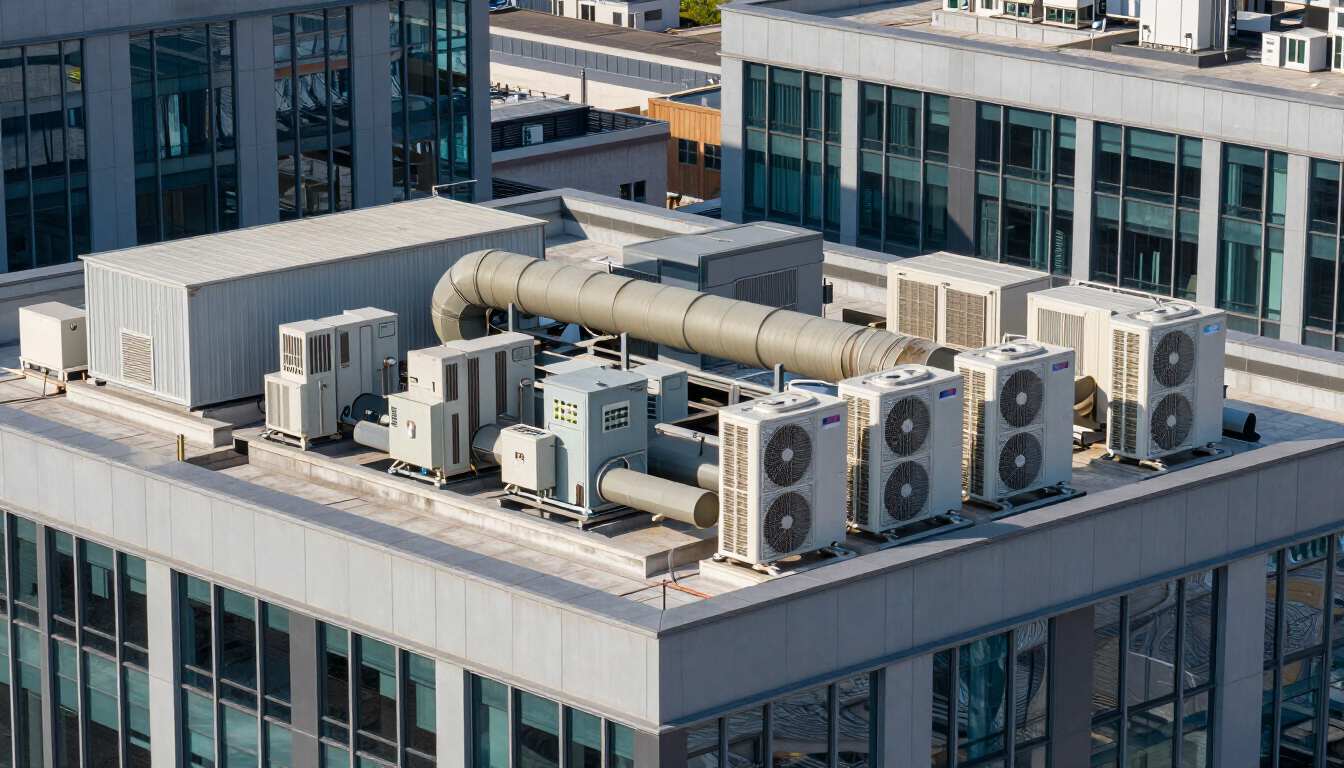
Rooftop units are one of the most common commercial HVAC systems. They combine heating and cooling components into a single unit installed on the roof.
Best for:
- Retail spaces
- Office buildings
- Restaurants
- Warehouses
Advantages:
- Space-saving design
- Easier maintenance access
- Scalable for multi-unit setups
2. Split Systems
Split systems separate indoor and outdoor components, similar to residential systems but on a larger scale.
Best for:
- Smaller commercial buildings
- Offices with limited roof space
Advantages:
- Lower upfront cost
- Flexible installation options
3. Variable Refrigerant Flow (VRF/VRV) Systems
These advanced systems allow precise temperature control across multiple zones.
Best for:
- Multi-tenant buildings
- Hotels
- Medical offices
Advantages:
- High energy efficiency
- Individual zone control
- Quiet operation
4. Chilled Water Systems
Used in larger commercial or industrial buildings, these systems rely on chilled water circulated through air handlers.
Best for:
- Large office complexes
- Hospitals
- Industrial facilities
Advantages:
- Extremely efficient at scale
- Long system lifespan
5. Ductless Mini-Split Systems
Ideal for targeted cooling and heating without ductwork.
Best for:
- Additions or retrofits
- Server rooms
- Small offices
Advantages:
- Zoned comfort
- Easy installation
- Energy efficient
Key Factors to Consider Before Choosing a System
Selecting the right system isn’t just about picking a model—it requires a detailed understanding of your building and operations.
1. Building Size and Layout
Square footage is only the starting point. You also need to consider:
- Ceiling height
- Number of rooms or zones
- Window placement and sunlight exposure
- Insulation quality
An open warehouse requires a completely different system than a multi-room office.
2. Occupancy and Usage Patterns
How your building is used plays a major role in system selection.
Consider:
- Number of occupants
- Hours of operation
- Equipment that generates heat (kitchens, machinery, servers)
- Peak usage times
A restaurant, for example, needs stronger ventilation and cooling than a standard office.
3. Energy Efficiency Requirements
Energy costs in California are among the highest in the country, making efficiency a top priority.
Look for:
- High SEER2 and EER ratings
- ENERGY STAR® certification
- Variable-speed compressors
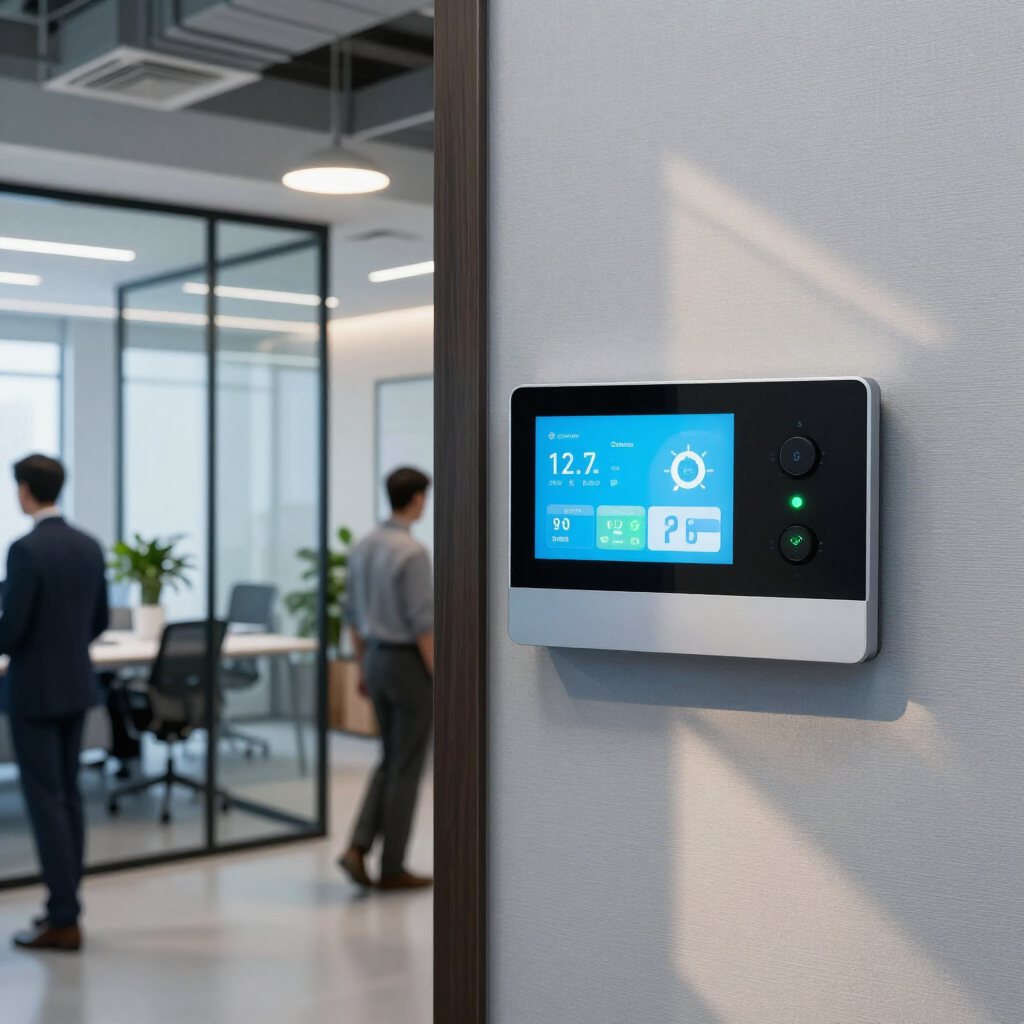
- Smart controls and automation
Efficient systems reduce operating costs and may qualify for rebates and incentives.
4. Zoning and Temperature Control
Commercial buildings often have multiple zones with different needs.
Examples:
- Offices vs. conference rooms
- Kitchens vs. dining areas
- Storage vs. retail spaces
Systems like VRF or ductless setups allow independent control, improving comfort and efficiency.
5. Indoor Air Quality and Ventilation Needs
Central Coast businesses must consider ventilation carefully, especially in:
- Restaurants
- Medical facilities
- Gyms
- High-occupancy offices
Proper ventilation helps:
- Remove contaminants
- Maintain compliance with building codes
- Improve employee and customer comfort
6. Coastal Climate Considerations
The Central Coast environment introduces unique challenges:
- Salt air corrosion
- Coastal humidity
- Temperature swings between inland and coastal zones
Your system should include:
- Corrosion-resistant components
- Protective coatings
- Proper drainage and moisture control
The Importance of Proper System Sizing
One of the most common mistakes in commercial HVAC installation is improper sizing.
Oversized Systems
- Short cycle frequently
- Waste energy
- Fail to control humidity
Undersized Systems
- Run continuously
- Struggle to maintain temperature
- Wear out quickly
A professional
load calculation ensures your system is sized correctly based on real building conditions—not estimates.
Upfront Cost vs Long-Term Value
It’s tempting to choose the lowest-cost system, but that often leads to higher expenses over time.
What to consider beyond price:
- Energy consumption
- Maintenance requirements
- Equipment lifespan
- Repair frequency
- Warranty coverage
A slightly higher upfront investment in an efficient system often results in significant long-term savings.
Maintenance Requirements and Accessibility
Commercial HVAC systems require regular service. When choosing a system, consider:
- Ease of access for maintenance
- Availability of replacement parts
- Service intervals
Rooftop units, for example, are often easier to maintain than systems installed in tight interior spaces.
Technology and Smart Controls
Modern HVAC systems offer advanced control options that improve efficiency and monitoring.
Smart features include:
- Remote system monitoring
- Automated scheduling
- Energy usage tracking
- Fault detection alerts
These tools allow business owners and property managers to identify issues early and optimize performance.
Common Mistakes to Avoid
When selecting a commercial HVAC system, avoid these pitfalls:
- Choosing based on price alone
- Skipping professional load calculations
- Ignoring energy efficiency ratings
- Overlooking ventilation needs
- Hiring unqualified installers
Each of these mistakes can lead to higher costs and reduced system performance.
When to Replace vs Upgrade
If your current system is:
- Over 15–20 years old
- Frequently breaking down
- Causing high energy bills
- Struggling to maintain comfort
…it may be time to replace rather than repair.
In some cases, upgrading components (like controls or ductwork) can extend system life, but a full replacement often provides better long-term value.
FAQs About Choosing a Commercial HVAC System
How long does a commercial HVAC system last?
Most systems last
15–25 years with proper maintenance.
What is the most energy-efficient system for commercial buildings?
VRF systems and high-efficiency rooftop units are among the most efficient options.
How long does installation take?
Depending on system size, installation can take anywhere from a few days to several weeks.
Can I upgrade my system without replacing everything?
Yes. Controls, ductwork, and certain components can often be upgraded independently.
Are rebates available for commercial HVAC upgrades?
Yes. Many California programs offer incentives for energy-efficient systems.
Partner with SMI HVAC Services for the Right Solution
Choosing the right commercial HVAC system requires experience, planning, and a deep understanding of Central Coast building conditions. SMI HVAC Services works closely with businesses to design systems that balance performance, efficiency, and cost.
If you’re planning a new installation or evaluating your current system, now is the time to make an informed decision that supports your business for years to come.
Visit:
https://www.smihvacservices.com/contact or call
805-567-7030 to schedule a commercial HVAC consultation.
SMI HVAC Services proudly supports businesses across California’s Central Coast with reliable, professional HVAC solutions.
Recent posts