The Dangers of DIY HVAC Repairs (and When to Call a Pro)
When “Do-It-Yourself” Becomes “Do-It-Damage”
Homeowners in
Santa Maria and across
Santa Barbara County pride themselves on being resourceful. Fixing small home issues yourself—like painting, caulking, or changing filters—can save time and money. But when it comes to HVAC systems,
DIY repair can cause far more harm than good.
Heating and cooling equipment is complex, high-voltage, and refrigerant-based—making it one of the most dangerous systems in your home to tamper with. Even well-intentioned repairs can lead to injury, costly damage, or voided warranties.
At
SMI HVAC Services, we’ve seen many cases where a quick “YouTube fix” turned into a full system replacement. This guide explains the biggest risks of DIY HVAC work and when it’s best to call a licensed professional.
Why DIY HVAC Repairs Are So Risky
Your HVAC system involves a combination of
electrical components, refrigerant lines, gas connections, and precision sensors. Working on these systems without training or certification isn’t just ineffective—it can be dangerous.
Here are the top reasons to leave HVAC repair to the pros:
1. Electrical Hazards
HVAC systems rely on
high-voltage power—often between 220 and 240 volts. Accidentally touching the wrong wire or short-circuiting a component can result in serious shock or electrical fire.
Common DIY mistakes include:
- Working on live circuits without turning off breakers
- Using improper tools or meters
- Reconnecting wires incorrectly after “simple” fixes
Certified HVAC technicians are trained to follow strict electrical safety protocols and use insulated tools designed for high-voltage environments.
2. Refrigerant Risks and Legal Regulations
Air conditioners and heat pumps use
refrigerants like R-410A to absorb and release heat. These chemicals must be handled under
EPA Section 608 certification, as improper handling can cause environmental harm or health risks.
Refrigerant dangers include:
- Frostbite or chemical burns from contact
- Asphyxiation in enclosed spaces
- Legal penalties for unlicensed handling or venting to the atmosphere
Even refilling refrigerant without finding the leak source is a temporary fix that can destroy your compressor—a repair costing thousands of dollars.
3. Voiding Your Warranty
Nearly all major HVAC manufacturers—Carrier, Trane, Lennox, Goodman, and others—state that
DIY repairs or unauthorized service void equipment warranties.
That means if a major component fails later, you’ll have to pay full replacement costs out of pocket, even if it was under warranty.
To stay protected, always have your system serviced by a licensed, insured HVAC company like SMI HVAC Services, which documents all repairs for warranty validation.
4. Misdiagnosing the Problem
Modern HVAC systems include smart sensors, circuit boards, and safety switches. Diagnosing an issue correctly requires specialized tools like:
- Digital multimeters
- Refrigerant pressure gauges
- Temperature probes
- Combustion analyzers
Without proper diagnostics, you might replace the wrong component or mask a deeper issue—leading to reduced performance or additional failures later.
For example:
- Replacing a capacitor when the issue is actually a failing motor
- Topping off refrigerant when a hidden leak is the real culprit
- Resetting breakers instead of addressing underlying electrical faults
Professional technicians run systematic diagnostics to identify the root cause and prevent recurrence.
5. Increased Fire and Explosion Risks
If your home uses a
gas furnace, improper repair can result in gas leaks or carbon monoxide exposure—both of which are extremely dangerous.
Potential hazards include:
- Loose gas line fittings
- Misaligned burners
- Cracked heat exchangers leaking exhaust gases
Even a minor error in reconnection or calibration can create a fire hazard or life-threatening CO exposure. Licensed HVAC contractors have the equipment to test gas pressure, combustion efficiency, and carbon monoxide levels safely.
6. Shortened System Lifespan
When a repair isn’t done to manufacturer specifications, the system may continue to operate—but inefficiently. Over time, this leads to:
- Uneven airflow
- Compressor strain
- Premature component failure
- Higher energy bills
Improper DIY “fixes” often cause more damage than the original issue. The small savings on labor costs rarely outweigh the long-term cost of replacements.
When It’s Safe for Homeowners to DIY
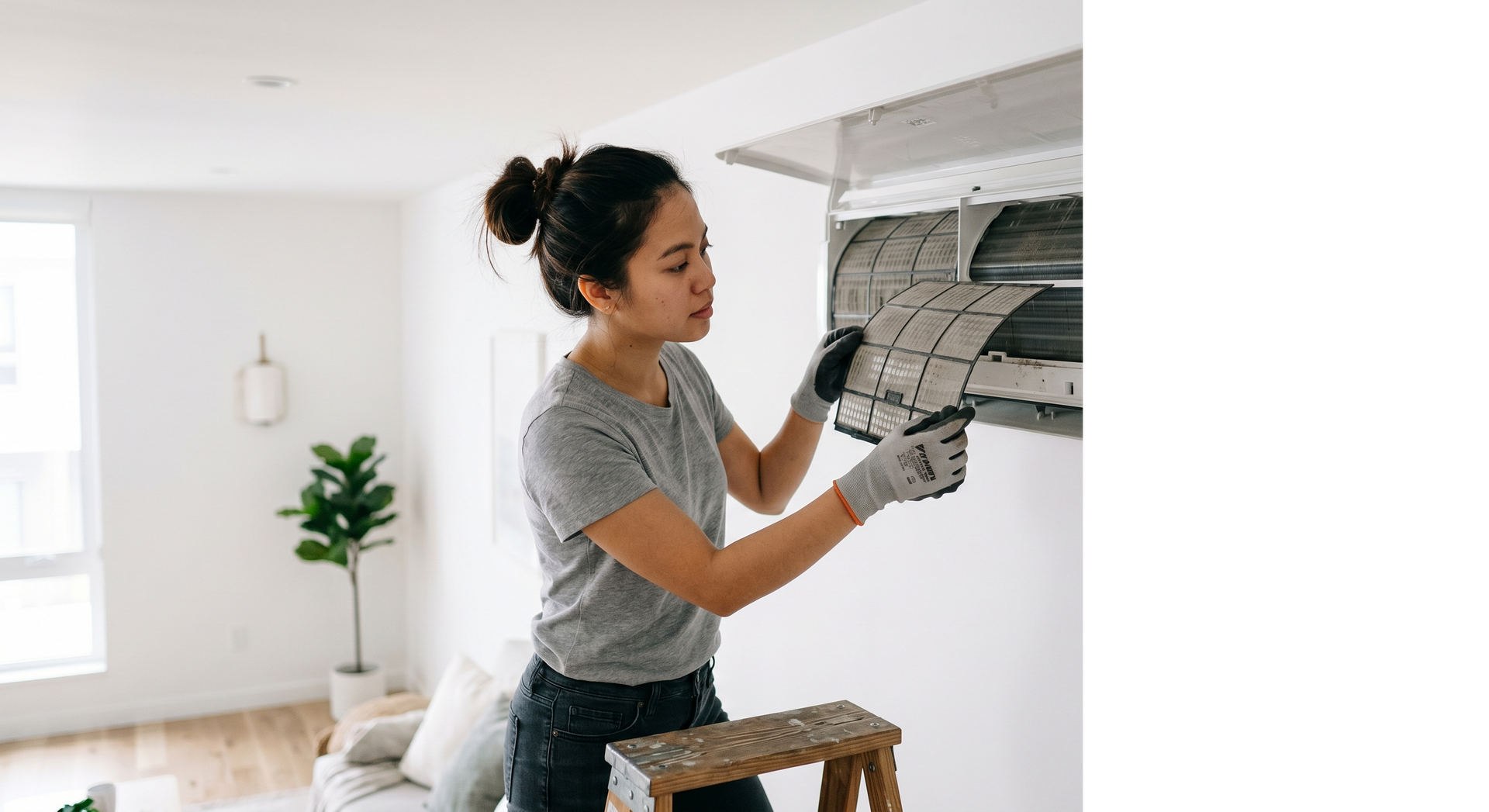
Not all HVAC tasks are off-limits. Some simple maintenance steps are safe and even encouraged between professional visits.
These include:
- Replacing air filters every 1–3 months
- Keeping outdoor units clear of debris and vegetation
- Vacuuming around indoor vents
- Gently rinsing condenser coils with a hose (power off first)
- Adjusting thermostat settings for energy savings
However, anything beyond basic cleaning—such as opening panels, accessing refrigerant lines, or wiring sensors—should always be left to certified technicians.
When to Call a Professional HVAC Technician
Here are the most common situations that call for immediate professional service:
| Warning Sign | Possible Cause | Why You Need a Pro |
|---|---|---|
| AC blowing warm air | Low refrigerant or compressor issue | Requires leak detection and sealed-system repair |
| Furnace cycling frequently | Faulty thermostat or dirty flame sensor | Needs calibration and component cleaning |
| Strange noises (grinding, hissing, or banging) | Motor or fan imbalance | May cause system damage if ignored |
| Burning or electrical odor | Failing capacitor or wiring issue | Fire risk if not addressed immediately |
| Weak airflow from vents | Clogged coils or duct leak | Requires inspection and duct repair |
Local Case Example: DIY Gone Wrong in Santa Maria
In early 2025, a Santa Maria homeowner attempted to fix a noisy outdoor AC unit by replacing the fan motor themselves. Unfortunately, the new motor wasn’t properly rated for the system’s voltage. Within two weeks, the compressor overheated, causing a complete system failure.
After inspection, SMI HVAC Services found burnt wiring, incorrect connections, and significant component damage—turning what could have been a
$300 repair
into a
$3,000 replacement.
This situation isn’t uncommon. While homeowners mean well, HVAC systems require precise calibration and certified expertise.
The Benefits of Professional HVAC Service
Hiring a professional technician ensures:
- Safety and compliance with all codes and regulations
- Accurate diagnosis using advanced tools
- Manufacturer-approved parts and procedures
- Preserved warranty coverage
- Peace of mind knowing your system is operating safely
and efficiently
At
SMI HVAC Services, our technicians are fully licensed, insured, and trained to service all major brands. Whether it’s a repair, replacement, or seasonal tune-up, we ensure the job is done right the first time.
FAQs About DIY HVAC Repairs
Q1: Can I add refrigerant myself?
No. Only EPA-certified professionals can legally handle or recharge refrigerant. DIY refills are unsafe and can damage your system.
Is it okay to clean my AC coils myself?
You can rinse them gently with a garden hose, but deep coil cleaning should be handled by a professional to prevent bending fins or damaging components.
Why did my DIY thermostat replacement not work?
Many modern thermostats require low-voltage wiring or system compatibility checks. Incorrect wiring can short out your control board.
How do I know if my system is safe after a DIY attempt?
If you’ve tried a repair and still notice poor performance, strange sounds, or odors, shut the system off and schedule a professional inspection immediately.
Can DIY maintenance void my home insurance or warranty?
Yes. If unlicensed work causes property damage or injury, insurance may not cover the incident, and manufacturer warranties will likely be voided.
Stay Safe—Call the HVAC Experts in Santa Maria, CA
Your HVAC system is too valuable—and too dangerous—to risk with DIY repairs. Protect your investment and your safety by calling the trusted professionals at
SMI HVAC Services.
We provide expert HVAC repair, installation, and maintenance services across
Santa Maria, Orcutt, Lompoc, and
Santa Barbara County.
Call
805-567-7030 or visit
https://www.smihvacservices.com/contact to schedule your
professional HVAC service
today.
Fast, fair, and family-owned—SMI HVAC Services keeps your comfort and safety our top priority.
Recent posts