Top 5 HVAC Mistakes Commercial Property Owners Make (and How to Avoid Them)
Don’t Let HVAC Mistakes Disrupt Your Business Operations
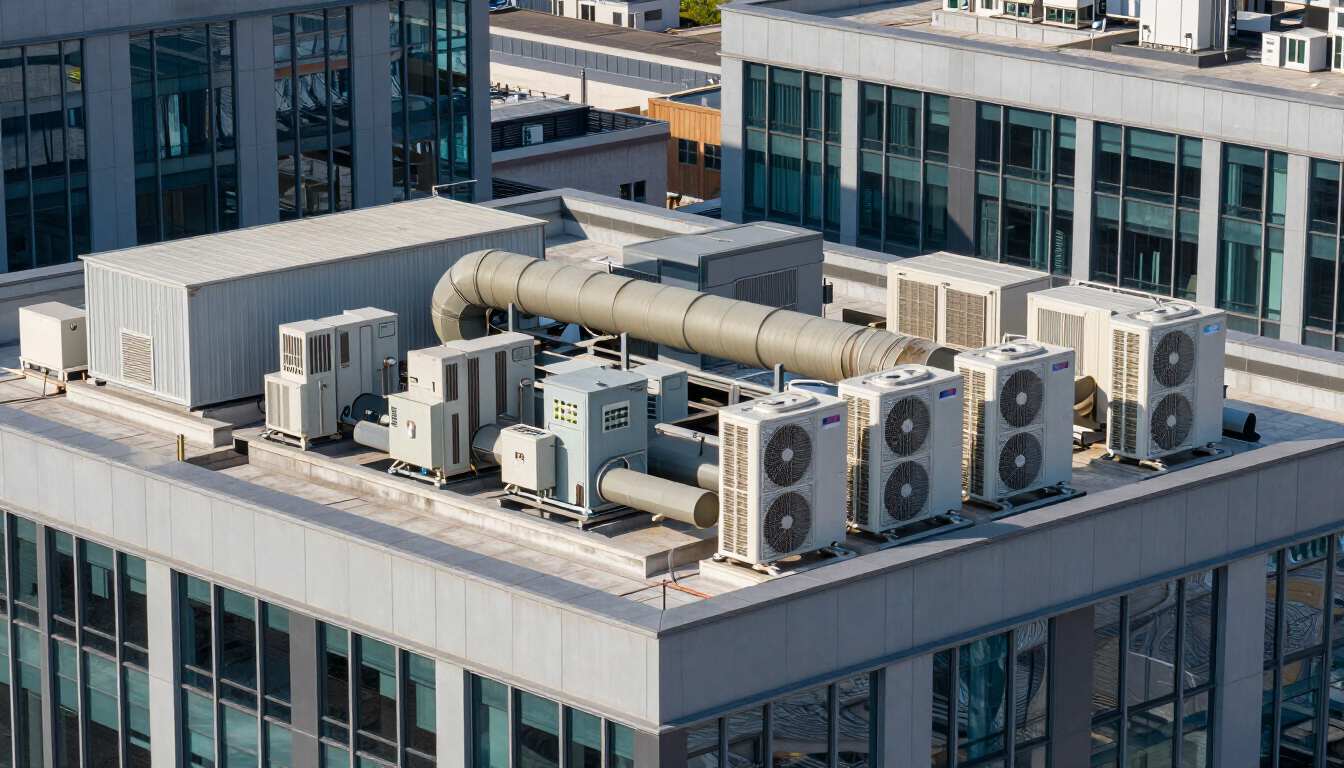
For commercial buildings across California’s Central Coast, HVAC systems are not just about comfort — they’re critical to daily operations, tenant satisfaction, employee productivity, and regulatory compliance. When a commercial HVAC system fails, the consequences go far beyond inconvenience. Downtime, lost revenue, unhappy tenants, and emergency repair costs can add up quickly.
At SMI HVAC Services, we work with business owners, property managers, retail facilities, offices, restaurants, and light industrial spaces throughout the Central Coast. Over the years, we’ve seen the same preventable HVAC mistakes cause expensive repairs, premature system failures, and avoidable operational disruptions.
Below are the top five HVAC mistakes commercial property owners make — and practical steps you can take to avoid them.
1. Skipping Preventive Commercial HVAC Maintenance
The most common and costly mistake in commercial HVAC is
reactive maintenance — waiting until something breaks before calling a technician.
Unlike residential systems, commercial HVAC equipment runs longer hours, handles larger loads, and serves multiple zones or tenants. Without routine inspections, small issues compound quickly.
Why this is a serious problem for commercial buildings
- Dirty coils and filters reduce airflow and strain equipment
- Belts, bearings, and motors wear prematurely without lubrication
- Refrigerant leaks go unnoticed, damaging compressors
- Minor electrical issues escalate into system-wide failures
According to the U.S. Department of Energy, regular HVAC maintenance can reduce energy consumption by up to 15% and significantly extend equipment lifespan.
How to avoid it
- Schedule quarterly or biannual commercial HVAC maintenance, depending on system usage
- Implement a preventive maintenance agreement for predictable budgeting
- Maintain service documentation for warranty and compliance purposes
Preventive maintenance is far less expensive than emergency repairs — and far less disruptive to your business.
2. Neglecting Air Filter Management in Commercial Systems
Air filters are often overlooked in commercial settings, especially in multi-tenant buildings or facilities with multiple rooftop units. Clogged filters reduce airflow and force equipment to work harder, increasing energy use and shortening system life.
Common signs of poor filter maintenance
- Uneven temperatures between suites or zones
- Increased dust inside offices or retail spaces
- Complaints about air quality or odors
- Higher-than-expected energy bills
Best practices for commercial filter replacement
- Replace filters every 1–3 months, depending on occupancy and usage
- Facilities with high foot traffic, food service, or industrial activity may need monthly changes
- Use commercial-grade pleated filters with appropriate MERV ratings (typically 8–11 for most commercial spaces)
Regular filter management improves airflow, protects equipment, and supports healthier indoor air for occupants.
3. Overlooking Ductwork, Ventilation, and Air Distribution
In commercial buildings, ductwork and ventilation play a critical role in energy efficiency and occupant comfort. Unfortunately, they’re often ignored unless a major problem occurs.
Why duct and ventilation issues matter
- Leaky ducts can waste up to 30% of conditioned air
- Poor ventilation leads to stagnant air and indoor air quality complaints
- Imbalanced airflow causes hot and cold zones, triggering tenant dissatisfaction
- Dirty ducts can spread dust, allergens, and odors throughout the building
Common commercial mistakes
- Blocking supply or return vents with furniture, shelving, or signage
- Ignoring duct inspections for years
- Attempting temporary fixes with tape instead of proper sealing
How to avoid it
- Schedule professional duct inspections every 2–3 years
- Address air balancing issues proactively
- Keep vents clear in all tenant spaces
- Invest in professional duct sealing and cleaning when needed
Well-maintained ductwork improves system efficiency and helps prevent ongoing comfort complaints.
4. Installing Improperly Sized Commercial HVAC Equipment
One of the most expensive long-term mistakes is installing HVAC equipment that is too large or too small for the building.
Commercial systems must be sized based on:
- Building square footage
- Occupancy levels
- Heat-generating equipment
- Ceiling height
- Window exposure
- Local Central Coast climate conditions
Problems caused by oversized systems
- Short cycling, which increases wear and energy use
- Poor humidity control
- Higher upfront and operating costs
Problems caused by undersized systems
- Continuous operation without reaching setpoints
- Excessive wear and early failure
- Ongoing comfort complaints
Proper sizing requires a professional load calculation, not guesswork or rule-of-thumb estimates.
At SMI HVAC Services, we perform detailed assessments before any commercial installation to ensure systems are properly sized for Central Coast commercial properties, from offices to warehouses.
5. Attempting DIY or Unqualified HVAC Repairs
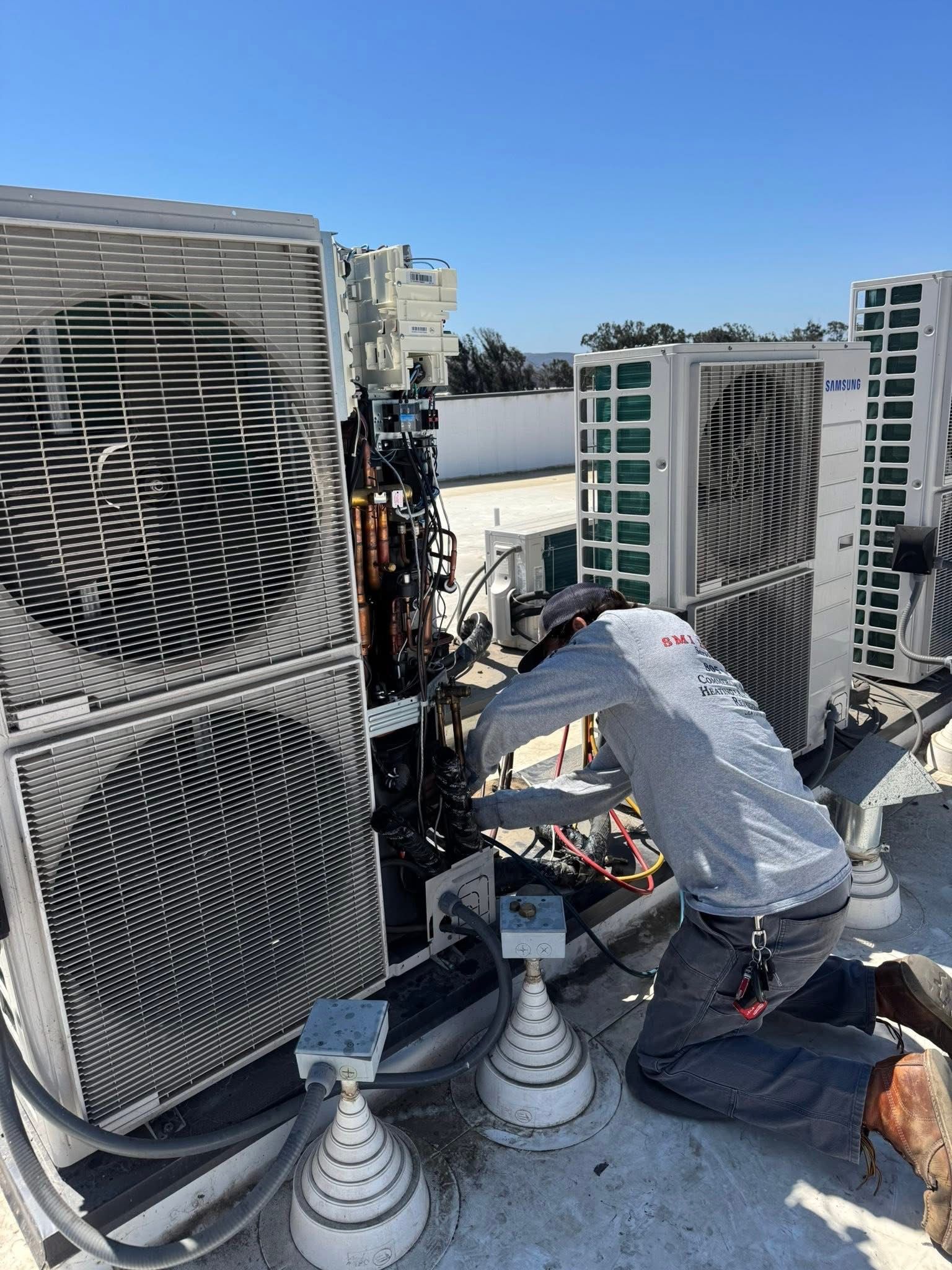
Commercial HVAC systems are complex, high-voltage, and tightly regulated. Attempting repairs without proper licensing or training creates safety risks and legal exposure.
Risks of unqualified HVAC work
- Electrical hazards or fire risks
- Refrigerant handling violations (EPA certification required)
- Improper repairs that damage compressors or control boards
- Voided manufacturer warranties
- Liability issues for property owners
Even seemingly simple tasks — like adjusting refrigerant or replacing electrical components — require specialized tools and certifications.
Best practice
Always work with a licensed commercial HVAC contractor who understands local codes, safety standards, and system requirements.
Bonus Mistake: Ignoring Indoor Air Quality in Commercial Spaces
Indoor air quality (IAQ) is a growing concern for businesses, especially in offices, healthcare facilities, and retail environments. Poor IAQ affects employee productivity, customer experience, and even regulatory compliance.
Common IAQ issues in commercial buildings
- Dirty ducts and filters
- Inadequate ventilation
- Poor humidity control
- Aging HVAC equipment
Simple IAQ improvements
- Regular filter replacement
- Scheduled duct cleaning
- UV air purification or filtration upgrades
- Maintaining indoor humidity between
30–50%
Improving IAQ can reduce complaints, absenteeism, and long-term health risks.
Central Coast Perspective: Commercial HVAC Challenges
Commercial properties on the Central Coast of California face unique challenges:
- Coastal humidity that accelerates corrosion
- Agricultural dust and pollen
- Salt air exposure even miles inland
- Mixed-use buildings with varying HVAC demands
Many older commercial buildings rely on outdated rooftop units or inefficient duct layouts. Without modernization and maintenance, these systems struggle to meet today’s performance and efficiency expectations.
SMI HVAC Services works with businesses throughout the Central Coast to:
- Modernize aging systems
- Improve airflow and zoning
- Reduce energy costs
- Minimize downtime through proactive service
FAQs About Commercial HVAC Maintenance
How often should commercial HVAC systems be serviced?
Most commercial systems should be serviced at least twice per year, with high-use facilities requiring quarterly maintenance.
Can skipping maintenance void equipment warranties?
Yes. Most commercial HVAC warranties require documented professional maintenance.
What are early warning signs of commercial HVAC problems?
Uneven temperatures, rising energy costs, unusual noises, frequent cycling, or occupant complaints.
Is preventive maintenance really cost-effective?
Yes. Preventive maintenance reduces emergency repairs, extends system lifespan, and lowers operating costs.
How long do commercial HVAC systems last?
With proper maintenance, most systems last 15–25 years. Neglected systems often fail much sooner.
Protect Your Commercial HVAC Investment with SMI HVAC Services
Your HVAC system is one of the most valuable assets in your commercial property. Avoiding these common mistakes helps you reduce costs, prevent disruptions, and extend equipment life.
If it’s been a while since your last inspection — or if your building is experiencing comfort or efficiency issues — now is the time to act.
Call
805-567-7030 or visit
https://www.smihvacservices.com/contact
to schedule your
commercial HVAC maintenance or inspection today.
SMI HVAC Services proudly serves businesses throughout California’s Central Coast, delivering reliable, transparent, and professional commercial HVAC solutions.
Recent posts