The Importance of Indoor Air Quality for Your Family’s Health
The Air You Breathe Indoors Matters More Than You Think

Most people spend about
90% of their time indoors, according to the
U.S. Environmental Protection Agency (EPA). But few realize that the air inside their home can be
two to five times more polluted than outdoor air.
[Source –
https://www.epa.gov/indoor-air-quality-iaq]
In
Santa Maria and throughout Santa Barbara County, factors like seasonal dust, agricultural activity, pet dander, and humidity can all affect your indoor air quality (IAQ). Poor IAQ doesn’t just make your home feel stuffy—it can directly impact your family’s health, comfort, and well-being.
At SMI HVAC Services, we help homeowners identify and eliminate indoor air pollutants through professional HVAC solutions, duct cleaning, and filtration upgrades.
What Is Indoor Air Quality (IAQ)?
Indoor Air Quality (IAQ) refers to the condition of the air inside your home or building, especially as it relates to your health and comfort. It’s influenced by temperature, humidity, ventilation, and the presence of airborne pollutants.
Common indoor air contaminants include:
- Dust and pet dander
- Mold spores and mildew
- Pollen and outdoor pollutants
- Volatile organic compounds (VOCs) from cleaning products or paint
- Carbon monoxide and combustion gases
- Bacteria and viruses circulating through ducts
Over time, these pollutants can build up—especially in homes with poor ventilation or neglected HVAC systems.
How Poor Indoor Air Quality Affects Your Health
The effects of poor IAQ vary depending on exposure levels and individual sensitivity, but research consistently links poor indoor air quality to a range of short- and long-term health problems.
1. Allergies and Respiratory Irritation
Dust mites, pollen, and pet dander can trigger allergies, asthma, and sinus issues. If you experience more congestion, sneezing, or coughing indoors, your HVAC system might be circulating allergens throughout your home.
2. Fatigue, Headaches, and Eye Irritation
Pollutants like VOCs and carbon monoxide can cause fatigue, headaches, and eye or throat irritation—especially in poorly ventilated rooms or older homes.
3. Long-Term Respiratory Conditions
Chronic exposure to mold spores and fine particulate matter (PM2.5) can worsen conditions like bronchitis or asthma. Children, seniors, and those with compromised immune systems are most at risk.
4. Poor Sleep and Concentration
Stale air, uneven humidity, and CO₂ buildup can affect sleep quality and cognitive performance. Clean air supports better rest and productivity.
Local Factors That Impact Air Quality in Santa Maria Homes
Santa Maria and nearby communities face unique indoor air challenges due to local geography and climate:
- Coastal Humidity: Promotes mold growth in ducts, walls, and vents.
- Agricultural Dust: Airborne particles from nearby farms and fields enter homes through windows and HVAC systems.
- Wildfire Smoke: Seasonal fires across California can carry fine smoke particles indoors, even when windows are closed.
- Older Construction: Many Central Coast homes have outdated ventilation systems or older ducts that leak dust and debris.
Regular maintenance and air purification upgrades can help protect your home from these regional factors.
How Your HVAC System Affects Indoor Air Quality
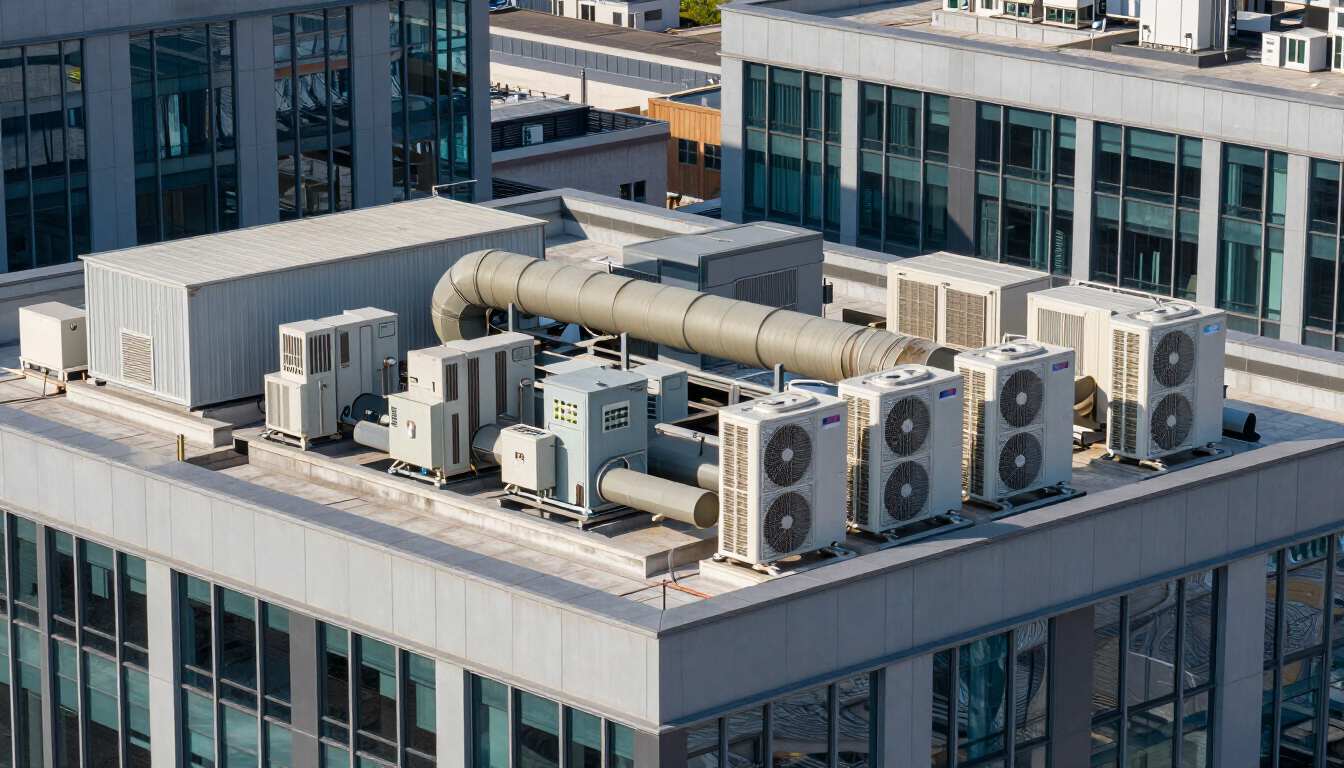
Your HVAC system doesn’t just heat and cool your home—it also filters, circulates, and conditions the air. However, without proper upkeep, it can become a source of contamination instead of purification.
1. Dirty Air Filters
Neglected filters allow dust and allergens to recirculate. Replacing filters every 1–3 months is one of the simplest ways to maintain air quality.
2. Dusty or Leaky Ductwork
If your ducts are filled with debris or have leaks, contaminants spread every time your system runs. Routine [Duct Inspection & Cleaning –
https://www.smihvacservices.com/duct-inspection-and-cleaning] prevents this issue.
3. Poor Ventilation
Modern homes are built to be energy-efficient—but that can trap pollutants inside. Ventilation improvements like air exchangers or fresh air intakes help balance airflow.
4. Humidity Imbalance
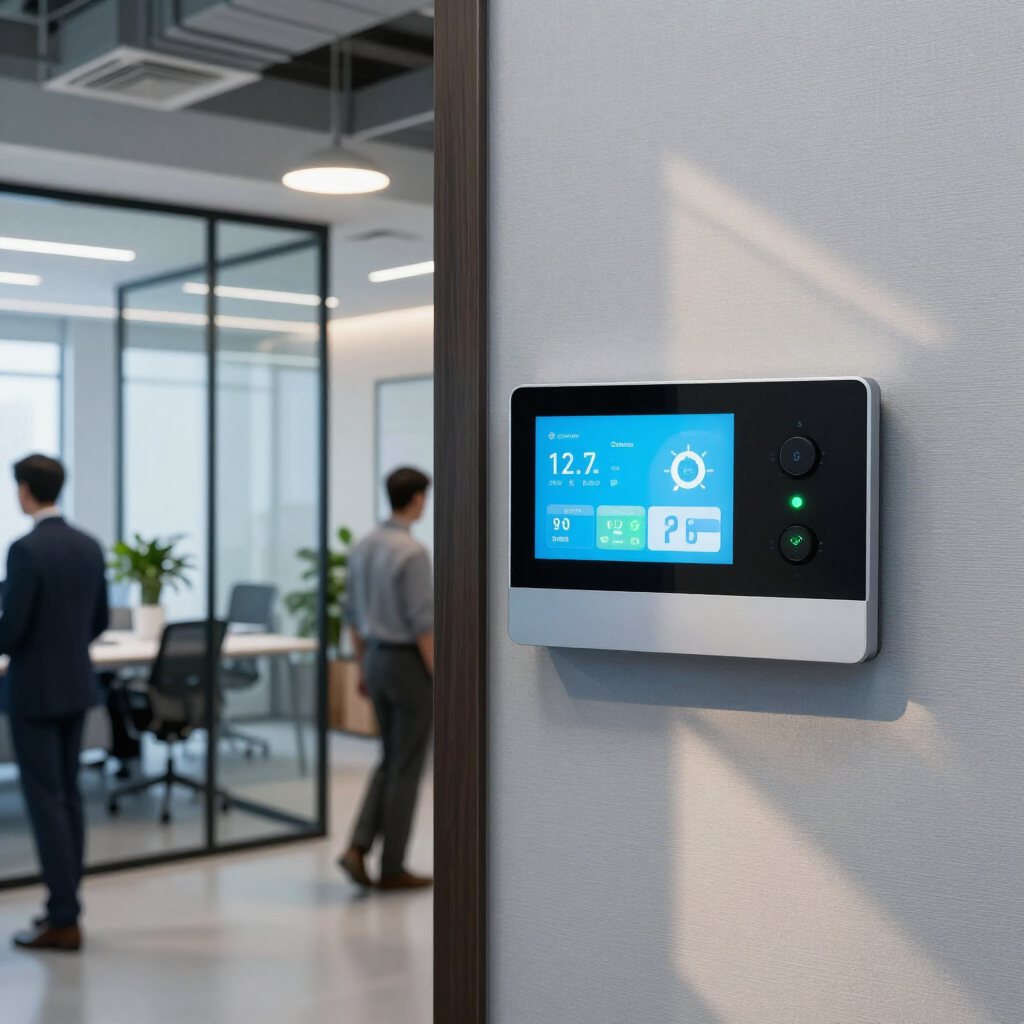
Excess humidity encourages mold growth, while air that’s too dry can irritate your skin and respiratory system. Properly calibrated HVAC systems maintain healthy humidity between 30–50%.
Solutions to Improve Indoor Air Quality
Fortunately, there are several proven ways to enhance your home’s air quality. SMI HVAC Services offers customized IAQ solutions designed for California’s coastal climate.
1. Professional Air Duct Cleaning
Dust, debris, and allergens accumulate in your ducts over time. Cleaning them removes built-up pollutants and ensures clean, balanced airflow.
Recommended every
3–5 years, or more often for homes with pets, allergies, or recent renovations.
Learn more about [Air Duct Cleaning –
https://www.smihvacservices.com/duct-inspection-and-cleaning].
2. High-Efficiency Air Filters
Upgrading to HEPA or MERV 13+ filters can trap smaller particles like pollen, smoke, and bacteria. These filters remove up to 99.97% of airborne particles as small as 0.3 microns.
3. Whole-Home Air Purifiers
Unlike portable units, whole-home systems integrate with your HVAC system to filter every room. Some include UV-C light technology that neutralizes bacteria, mold, and viruses.
4. Humidity Control Systems
Installing a dehumidifier or humidifier keeps your home’s moisture level balanced—critical for comfort, air quality, and preventing mold growth.
5. Regular HVAC Tune-Ups
Annual maintenance ensures your system filters properly, maintains airflow, and operates at peak efficiency.
Explore our [HVAC Maintenance Services –
https://www.smihvacservices.com/residential-repairs-and-maintenance].
Additional Healthy Home Practices
Beyond HVAC care, these everyday habits can dramatically improve your indoor environment:
- Ventilate while cooking or cleaning: Use exhaust fans to remove fumes and moisture.
- Avoid harsh cleaning products: Choose low-VOC or natural alternatives.
- Vacuum with HEPA filtration: Prevent dust recirculation into the air.
- Control moisture: Fix leaks promptly to prevent mold.
- Bring in plants: Certain indoor plants like spider plants and peace lilies can help absorb minor airborne toxins.
Local Case Example: Restoring Air Quality in a Santa Maria Home
Earlier this year, SMI HVAC Services worked with a Santa Maria homeowner who noticed musty smells and recurring allergies. Our inspection revealed a
clogged return vent and mold growth in the ductwork due to coastal humidity.
After professional cleaning, a UV purifier installation, and filter upgrades, the homeowner reported:
- A 40% reduction in allergy symptoms
- Better airflow and comfort
- Noticeably fresher-smelling air
This project is a reminder that even clean-looking homes can have hidden air quality problems—and that professional HVAC maintenance is key to prevention.
FAQs About Indoor Air Quality
How often should I have my indoor air quality checked?
At least once per year, or any time you notice increased dust, odors, or allergy symptoms indoors.
Can indoor air quality affect sleep?
Yes. Poor air quality, especially high CO₂ or humidity, can lead to restless sleep and fatigue.
Are portable air purifiers effective?
They help small areas but don’t address whole-home air circulation. For lasting results, install a whole-home purifier integrated into your HVAC system.
Do duct cleanings really help?
Absolutely. Duct cleaning removes contaminants trapped in your ventilation system and improves both airflow and air quality.
Is indoor air quality worse in coastal homes?
It can be, due to higher humidity levels and salt in the air. Proper HVAC maintenance and dehumidification are essential for coastal environments.
Breathe Easier with SMI HVAC Services
Clean air means a
healthier, happier home. If you’ve noticed allergies, odors, or uneven airflow, it may be time to assess your indoor air quality.
SMI HVAC Services offers expert air quality solutions—duct cleaning, air purifiers, filtration upgrades, and humidity control—customized for
Santa Maria and Santa Barbara County homeowners.
Call
805-567-7030 or visit
https://www.smihvacservices.com/contact to schedule your indoor air quality consultation
today.
Proudly serving
Santa Maria, Orcutt, Santa Ynez, Lompoc, and the surrounding Central Coast communities.
Recent posts