Commercial HVAC Compliance and Regulations in California: What Central Coast Businesses Need to Know
For commercial property owners and business operators across California’s Central Coast, HVAC systems are subject to a range of state and local regulations. These rules are designed to ensure energy efficiency, environmental protection, and occupant safety—but they can also be complex and constantly evolving.
Failing to comply with HVAC regulations can lead to:
- Fines and penalties
- Failed inspections
- Delayed construction or renovations
- Increased operating costs
At SMI HVAC Services, we help businesses navigate California’s regulatory landscape, ensuring HVAC systems meet all applicable codes while maintaining performance and efficiency.
This guide outlines the key compliance requirements every Central Coast business should understand.
Why HVAC Regulations Exist in California
California has some of the strictest energy and environmental standards in the United States. HVAC systems are a major focus because they account for a significant portion of building energy use.
Regulatory goals include:
- Reducing energy consumption
- Lowering greenhouse gas emissions
- Improving indoor air quality
- Ensuring occupant safety
For businesses, compliance isn’t just about following rules—it’s about operating efficiently and responsibly.
Title 24: California’s Energy Efficiency Standards
The most important regulation affecting commercial HVAC systems is California Title 24, part of the California Building Standards Code.
What Title 24 covers:
- HVAC system efficiency requirements
- Equipment performance standards
- Duct sealing and insulation
- Lighting and energy usage
- Building envelope requirements
When Title 24 applies:
- New construction
- HVAC system replacements
- Major renovations or upgrades
Key HVAC Requirements Under Title 24
- Minimum efficiency ratings for HVAC equipment
- Proper system sizing through load calculations
- Mandatory duct sealing and testing
- Installation of programmable or smart controls
- Verification by certified inspectors
Failure to meet these standards can prevent project approval or occupancy.
Permits and Inspections for HVAC Work
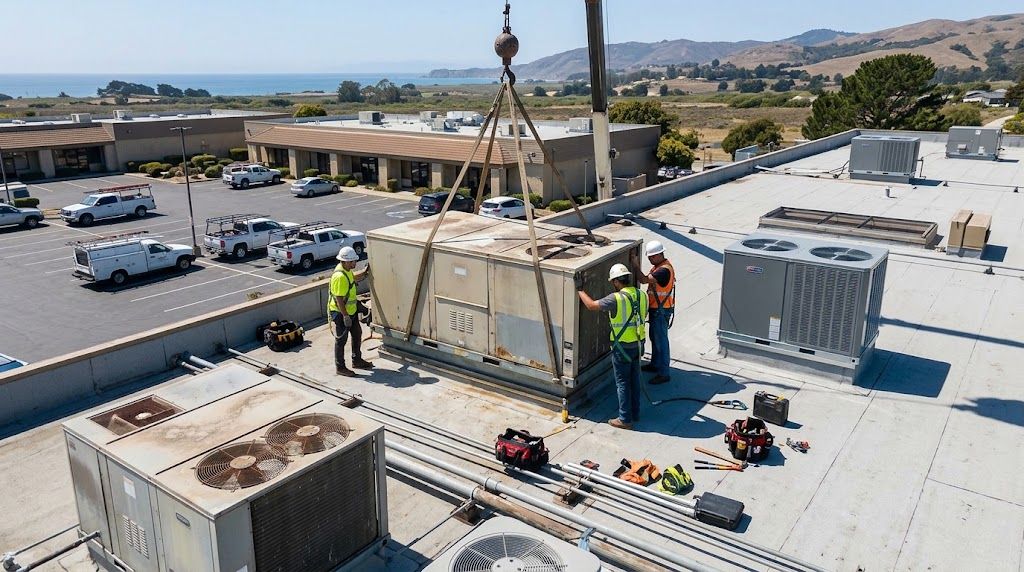
Most commercial HVAC work requires permits and inspections.
Projects that typically require permits:
- New HVAC system installations
- Equipment replacement
- Major ductwork modifications
- Refrigeration system installations
Inspection requirements:
- Verification of proper installation
- Compliance with energy standards
- Safety checks
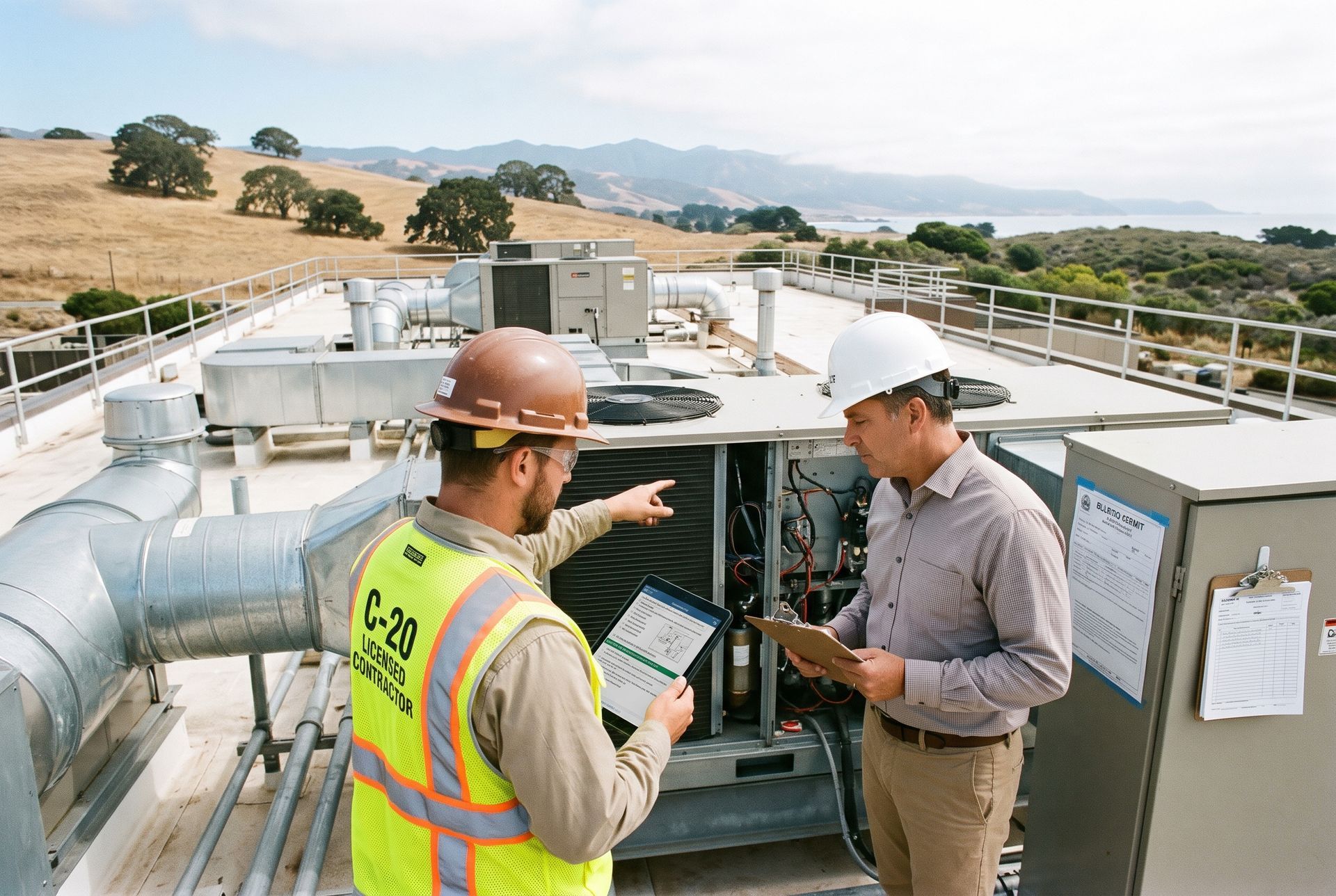
Working with a licensed HVAC contractor ensures that all permitting requirements are handled correctly.
Refrigerant Regulations and EPA Compliance
Commercial HVAC systems use refrigerants that are regulated under federal and state laws.
Key requirements include:
- Proper handling by certified technicians (EPA Section 608)
- Leak detection and repair
- Restrictions on certain refrigerants (phase-outs of older types like R-22)
Why this matters:
- Environmental protection
- Legal compliance
- Avoiding penalties
Businesses must ensure their HVAC systems meet current refrigerant standards.
Ventilation and Indoor Air Quality Requirements
Commercial buildings must meet ventilation standards to ensure healthy indoor environments.
Standards typically include:
- Minimum outdoor air intake requirements
- Proper exhaust systems
- Air filtration guidelines
These requirements are especially important for:
- Restaurants
- Medical facilities
- High-occupancy buildings
Proper ventilation improves air quality and supports compliance with health regulations.
OSHA and Workplace Safety Considerations
HVAC systems also play a role in workplace safety under OSHA (Occupational Safety and Health Administration) guidelines.
Relevant areas include:
- Indoor air quality
- Temperature control
- Ventilation of hazardous materials
Failure to maintain safe conditions can lead to:
- Employee complaints
- Inspections
- Potential fines
Maintaining HVAC systems helps ensure a safe working environment.
Local Codes and Central Coast Requirements
In addition to state regulations, businesses on the Central Coast must comply with local codes.
Local requirements may include:
- Coastal environmental considerations
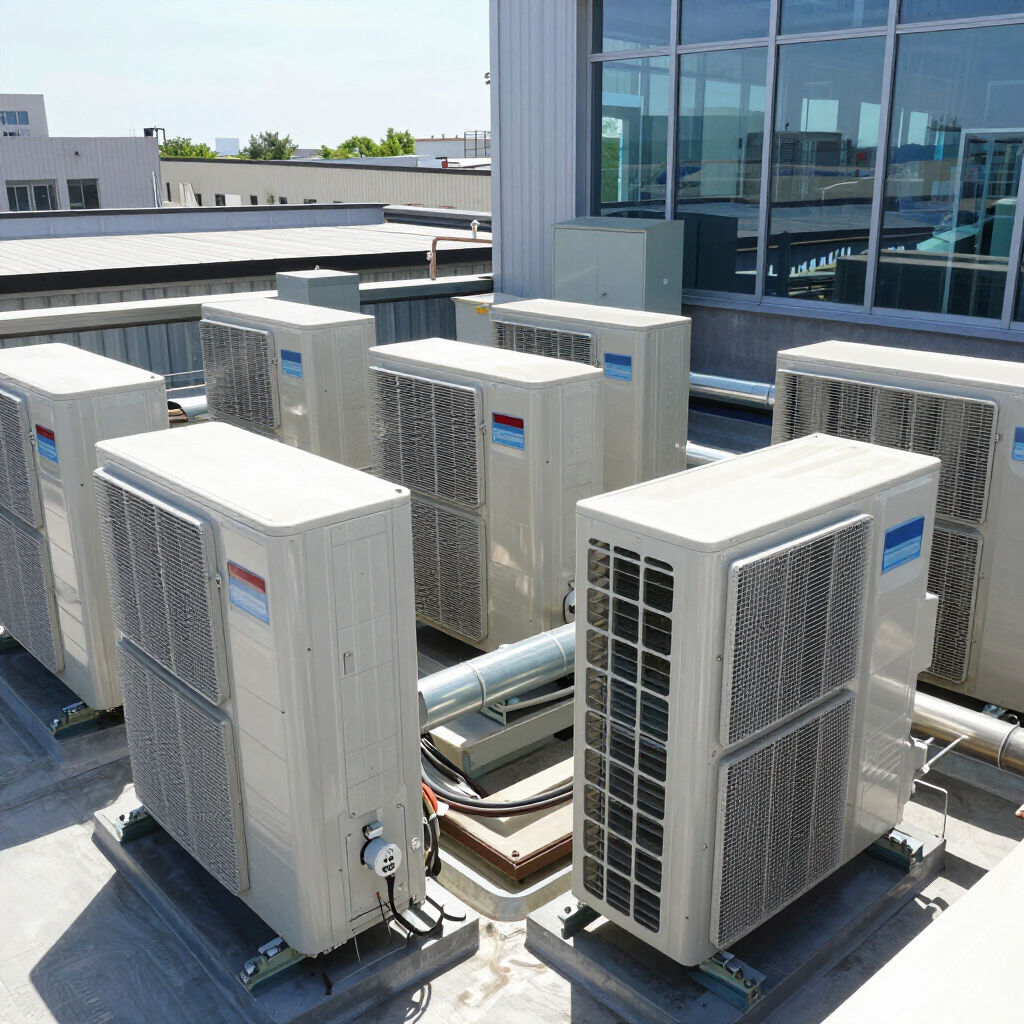
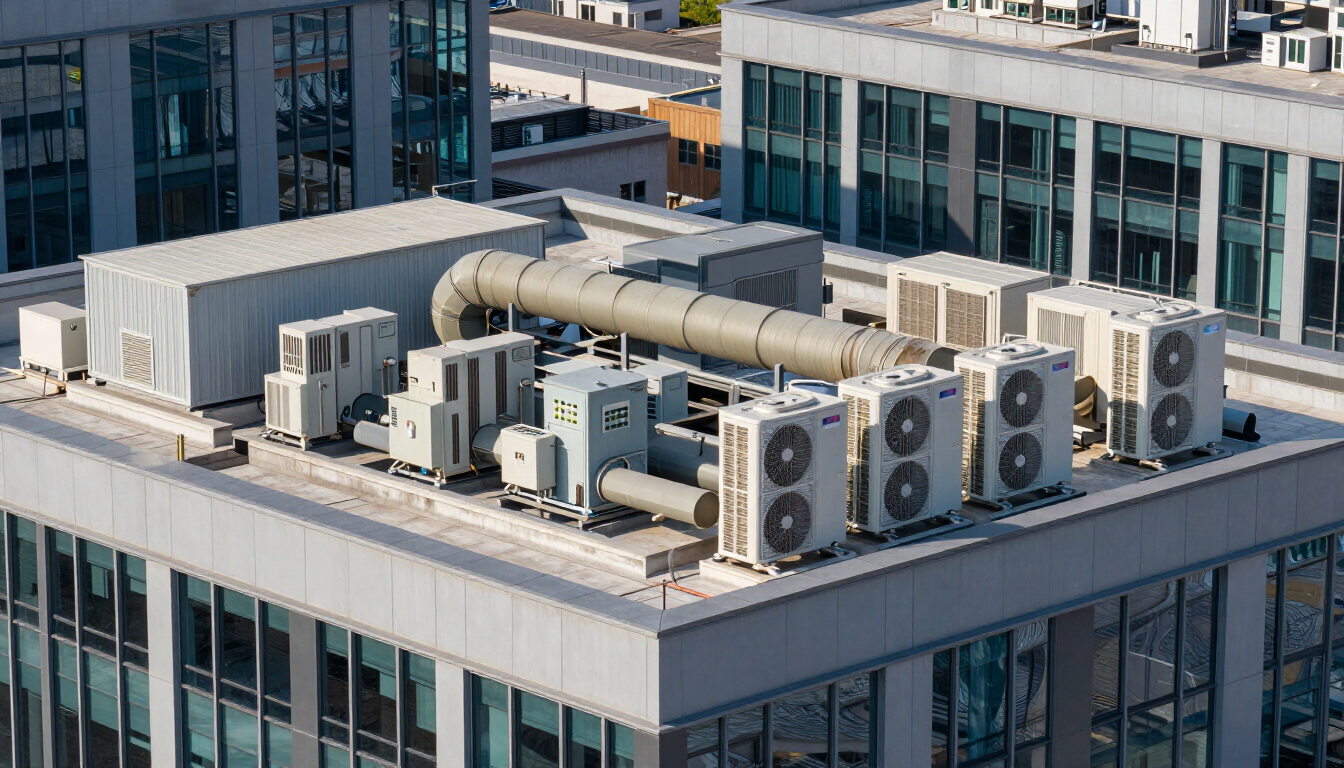
- Noise regulations for rooftop units
- Zoning restrictions
- Local permitting processes
Requirements can vary by city or county, including Santa Barbara County and surrounding areas.
Energy Efficiency Incentives and Compliance
California encourages compliance through incentive programs.
Benefits of meeting efficiency standards:
- Eligibility for rebates and tax incentives
- Lower operating costs
- Improved sustainability ratings
Upgrading to compliant systems often provides both regulatory and financial advantages.
Consequences of Non-Compliance
Ignoring HVAC regulations can lead to serious consequences.
Potential risks include:
- Fines and penalties
- Failed inspections
- Project delays
- Increased liability
In some cases, non-compliance can even result in forced system upgrades or shutdowns.
How to Ensure HVAC Compliance
Staying compliant requires a proactive approach.
Best practices include:
- Work with licensed HVAC professionals
- Schedule regular inspections and maintenance
- Keep detailed service records
- Stay informed about regulatory updates
- Plan upgrades in advance
Partnering with experienced contractors simplifies compliance and reduces risk.
Upgrading Older Systems for Compliance
Older HVAC systems may not meet current standards.
Common issues with outdated systems:
- Lower efficiency ratings
- Use of phased-out refrigerants
- Lack of modern controls
Upgrade benefits:
- Compliance with current codes
- Improved energy efficiency
- Reduced operating costs
Replacing outdated systems is often the most effective way to meet modern requirements.
The Role of Documentation and Record-Keeping
Proper documentation is essential for compliance.
Important records include:
- Maintenance logs
- Inspection reports
- Permit approvals
- Equipment specifications
These records are often required during inspections or audits.
Future Trends in HVAC Regulations
California continues to push for higher efficiency and sustainability.
Expected trends include:
- Stricter energy efficiency standards
- Increased electrification (heat pumps)
- Phasing out high-impact refrigerants
- Greater emphasis on smart building technology
Businesses that plan ahead will be better positioned to adapt.
FAQs About Commercial HVAC Compliance
Q1: Do all HVAC projects require permits?
Most major installations and replacements do, but requirements vary by location.
Q2: What is Title 24 compliance?
It’s California’s energy efficiency standard for buildings and HVAC systems.
Q3: Can non-compliance affect my business operations?
Yes. It can lead to fines, delays, and operational issues.
Q4: How often should systems be inspected for compliance?
Regular maintenance inspections help ensure ongoing compliance.
Q5: Do I need to upgrade my system to meet new regulations?
If your system is outdated, upgrades may be required during major work or renovations.
Stay Compliant and Efficient on the Central Coast
Navigating California’s HVAC regulations can be complex, but staying compliant is essential for protecting your business, reducing costs, and ensuring long-term performance.
SMI HVAC Services helps Central Coast businesses meet regulatory requirements while optimizing system efficiency and reliability.

Contact Us Today!
Reliable HVAC solutions start here. Get in touch for expert service you can trust!
Recent posts