Why Your Commercial HVAC System Fails During Peak Season (And How to Prevent It)
Peak Season Is When Your HVAC System Is Most Vulnerable

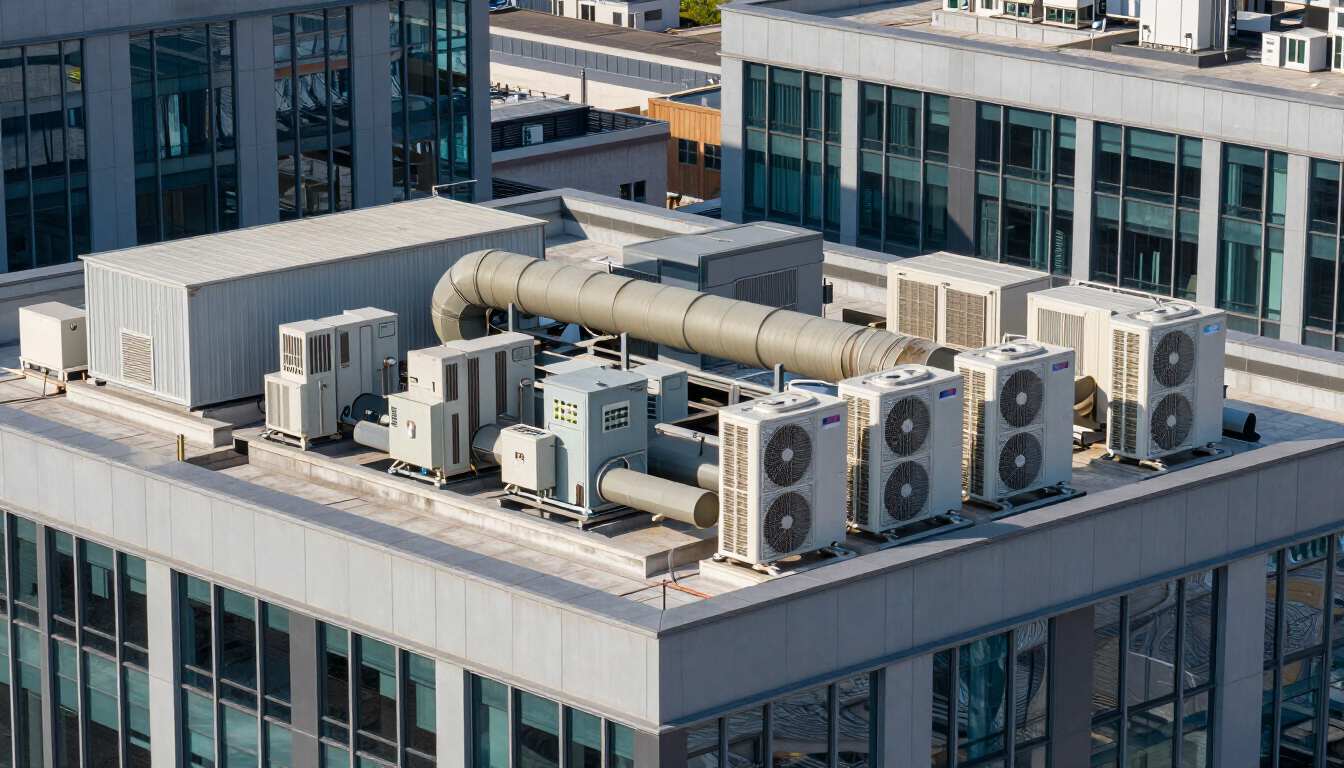
For businesses across California’s Central Coast, HVAC systems are pushed hardest during peak seasons—summer heatwaves and colder winter months. These are the times when your system is running longer hours, handling higher loads, and operating under maximum stress.
Unfortunately, this is also when most HVAC failures occur.
A breakdown during peak season doesn’t just create discomfort—it can disrupt operations, impact employees and customers, and lead to expensive emergency repairs.
At SMI HVAC Services, we regularly respond to peak-season failures that could have been prevented with proper planning and maintenance. Understanding why these failures happen is the first step toward avoiding them.
Why HVAC Systems Fail More Often During Peak Season
HVAC systems are designed to handle demand—but only when properly maintained and sized. When underlying issues exist, peak usage exposes weaknesses quickly.
Key reasons for peak-season failures include:
- Increased runtime and system strain
- Existing maintenance issues going unnoticed
- Environmental factors like heat, humidity, or dust
- Aging components reaching failure points
During off-peak months, minor issues may not be noticeable. But once demand spikes, those issues can lead to system failure.
1. Lack of Preventive Maintenance
The most common cause of peak-season breakdowns is skipped or inconsistent maintenance.
What happens without maintenance:
- Dirt accumulates on coils and filters
- Components wear down unnoticed
- Refrigerant levels drop
- Electrical connections loosen
These issues may not cause immediate failure—but under heavy load, they can quickly escalate.
Prevention:
- Schedule maintenance before peak seasons (spring and fall)
- Implement a regular maintenance plan
- Address small issues early
Preventive maintenance is the single most effective way to avoid unexpected breakdowns.
2. Dirty Coils and Restricted Airflow
Airflow is critical to HVAC performance. When airflow is restricted, the system must work harder to achieve the same results.
Common causes of airflow issues:
- Dirty air filters
- Clogged evaporator or condenser coils
- Blocked vents or ducts
Consequences:
- Reduced efficiency
- Overheating
- Compressor failure
During peak season, restricted airflow can cause systems to overheat and shut down.
Prevention:
- Replace filters regularly
- Clean coils as part of maintenance
- Ensure proper airflow throughout the building
3. Refrigerant Issues
Refrigerant is essential for cooling performance. Even a small issue can become a major problem under peak demand.
Common refrigerant problems:
- Leaks
- Low levels
- Improper charge
Impact during peak season:
- Reduced cooling capacity
- Increased system strain
- Risk of compressor damage
Prevention:
- Schedule professional inspections
- Address leaks immediately
- Ensure proper refrigerant levels
4. Electrical Component Failures
Electrical components are especially vulnerable during high-demand periods.
Common failures include:
- Capacitors wearing out
- Contactors failing
- Wiring issues
These components may function during low demand but fail under stress.
Signs of electrical issues:
- System not turning on
- Intermittent operation
- Unusual noises
Prevention:
- Routine electrical inspections
- Replacing worn components before failure
5. Aging Equipment
Older HVAC systems are more likely to fail during peak season.
Why age matters:
- Components degrade over time
- Efficiency decreases
- Systems struggle to meet demand
Typical lifespan:
- 15–20 years for most commercial systems
If your system is approaching this range, peak season is when problems are most likely to occur.
Prevention:
- Evaluate system age and condition
- Plan for replacement before failure
6. Improper System Sizing
Systems that are too small or too large for a building can experience problems during peak demand.
Undersized systems:
- Run continuously
- Overheat
- Fail prematurely
Oversized systems:
- Short cycle frequently
- Experience uneven cooling
- Increase wear on components
Prevention:
- Ensure proper load calculations during installation
- Reassess system needs if building usage changes
7. Poor Thermostat and Control Settings
Incorrect or outdated controls can lead to unnecessary strain on your system.
Common issues:
- Systems running during unoccupied hours
- Incorrect temperature settings
- Lack of scheduling
Impact:
- Increased energy usage
- Excessive wear on equipment
Prevention:
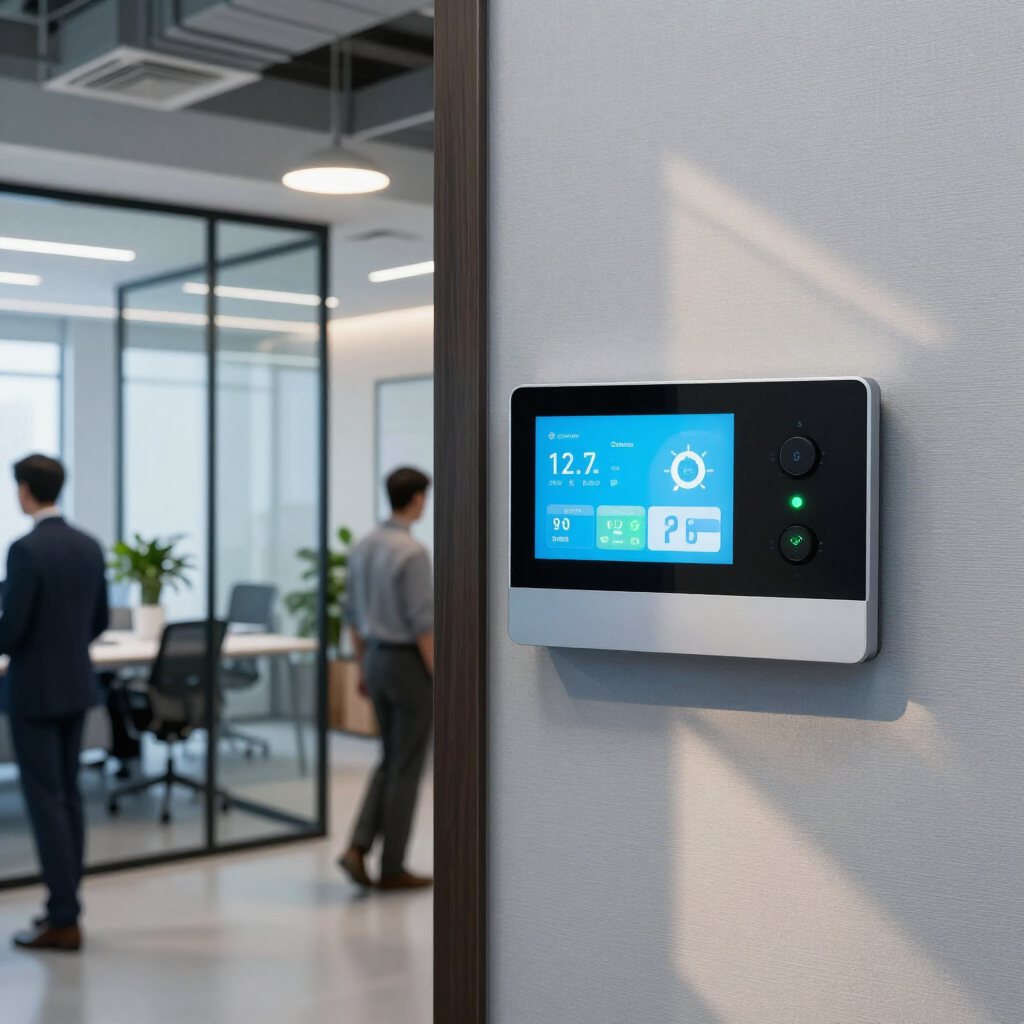
- Use programmable or smart thermostats
- Implement automated scheduling
- Adjust settings seasonally
8. Duct Leaks and Air Loss
Leaky ductwork is a hidden issue that becomes more noticeable during peak demand.
Impact:
- Loss of conditioned air
- Reduced system efficiency
- Increased workload on equipment
Up to 30% of conditioned air can be lost through leaks.
Prevention:
- Schedule duct inspections
- Seal leaks professionally
- Maintain proper insulation
9. Environmental Factors on the Central Coast
Businesses on the Central Coast face additional challenges:
Key environmental stressors:
- Coastal salt air causing corrosion
- Agricultural dust clogging systems
- Humidity affecting performance
- Temperature fluctuations
These factors can accelerate wear and increase the risk of failure during peak season.
Prevention:
- Increase maintenance frequency
- Use corrosion-resistant components
- Monitor system performance regularly
10. Ignoring Early Warning Signs
Many HVAC failures are preceded by warning signs that go unnoticed or ignored.
Common warning signs:
- Unusual noises
- Weak airflow
- Inconsistent temperatures
- Rising energy bills
Ignoring these signs allows problems to worsen until the system fails under peak demand.
Prevention:
- Respond to issues immediately
- Schedule diagnostics when problems appear
How to Prepare Your HVAC System for Peak Season
Preparation is key to avoiding breakdowns.
Pre-season checklist:
- Schedule a full system inspection
- Replace air filters
- Clean coils and components
- Test thermostat and controls
- Inspect ductwork
- Check refrigerant levels
Taking these steps before peak demand ensures your system is ready to perform.
The Cost of Peak-Season HVAC Failure
HVAC failure during peak season can lead to:
- Emergency repair costs
- Business downtime
- Lost revenue
- Customer dissatisfaction
- Employee discomfort
Preventive measures are far more cost-effective than dealing with these consequences.
FAQs About Peak-Season HVAC Failures
When is peak HVAC season on the Central Coast?
Typically summer for cooling and winter for heating.
How can I reduce the risk of breakdowns?
Regular maintenance and pre-season inspections are essential.
Are older systems more likely to fail?
Yes. Aging equipment is more prone to failure under stress.
How often should I service my system?
At least twice per year, or more for high-use facilities.
Can automation help prevent failures?
Yes. Smart systems can detect issues early and optimize performance.
Stay Ahead of Peak Season Problems
HVAC failures during peak season are often preventable. By understanding the causes and taking proactive steps, businesses can reduce risk, lower costs, and maintain consistent comfort.
SMI HVAC Services helps Central Coast businesses prepare for peak demand with professional maintenance, system evaluations, and reliable HVAC solutions.
SMI HVAC Services proudly supports businesses across California’s Central Coast with dependable HVAC services.
Recent posts