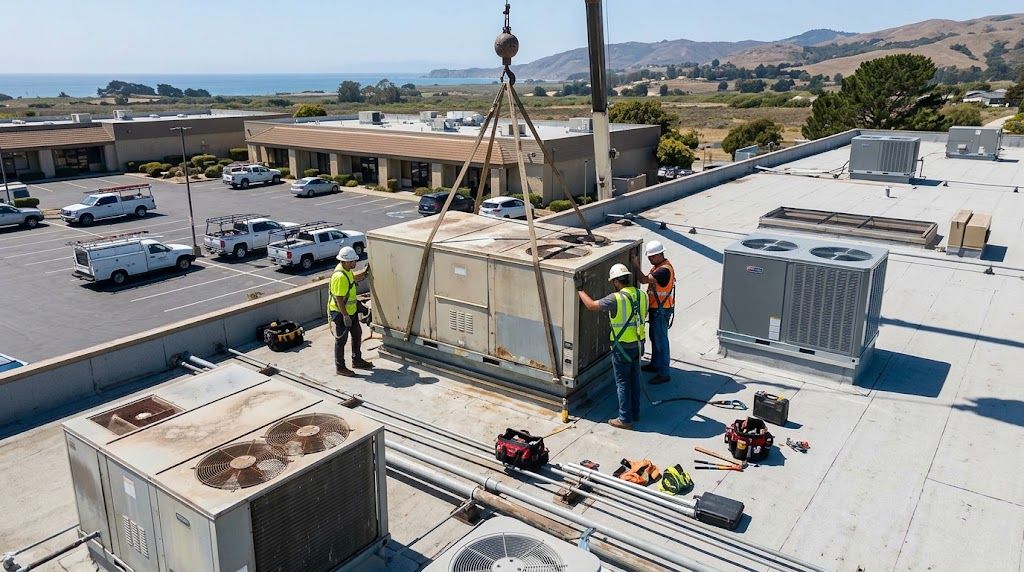
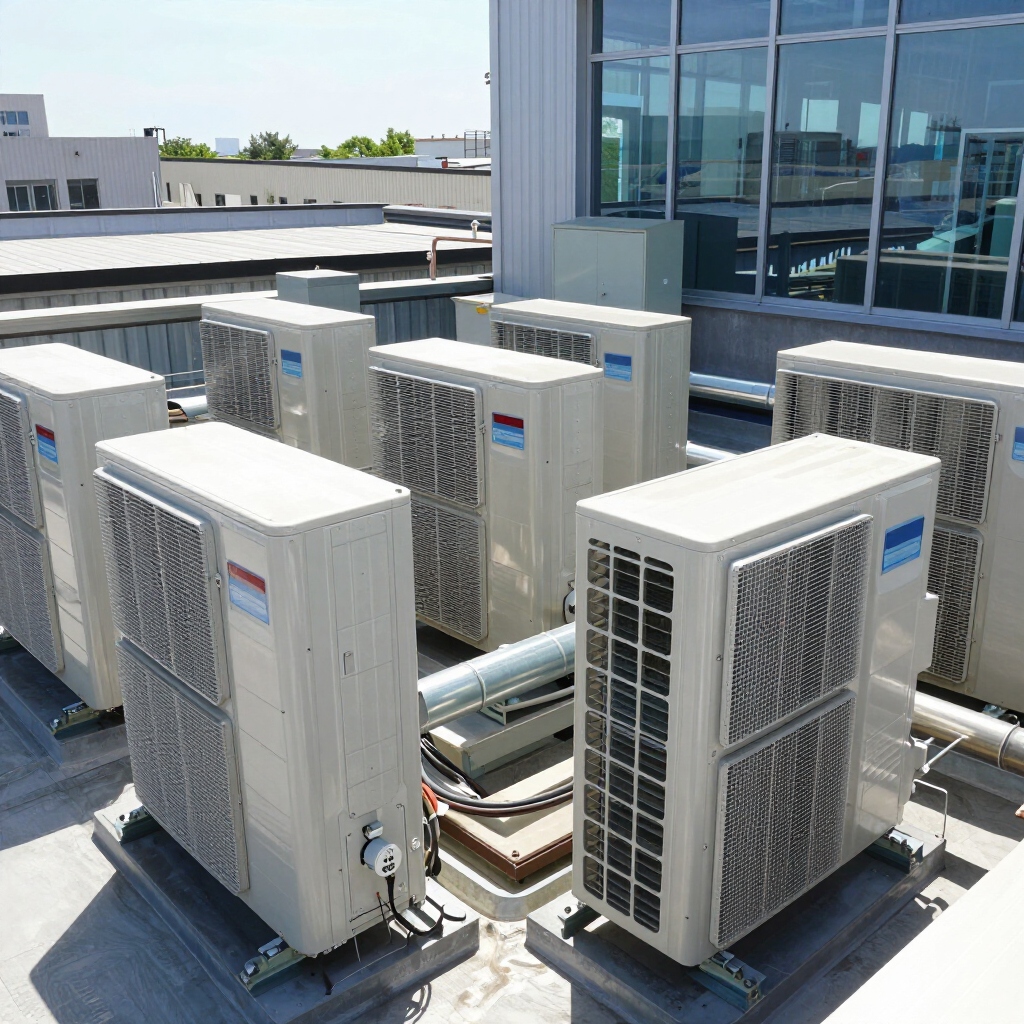
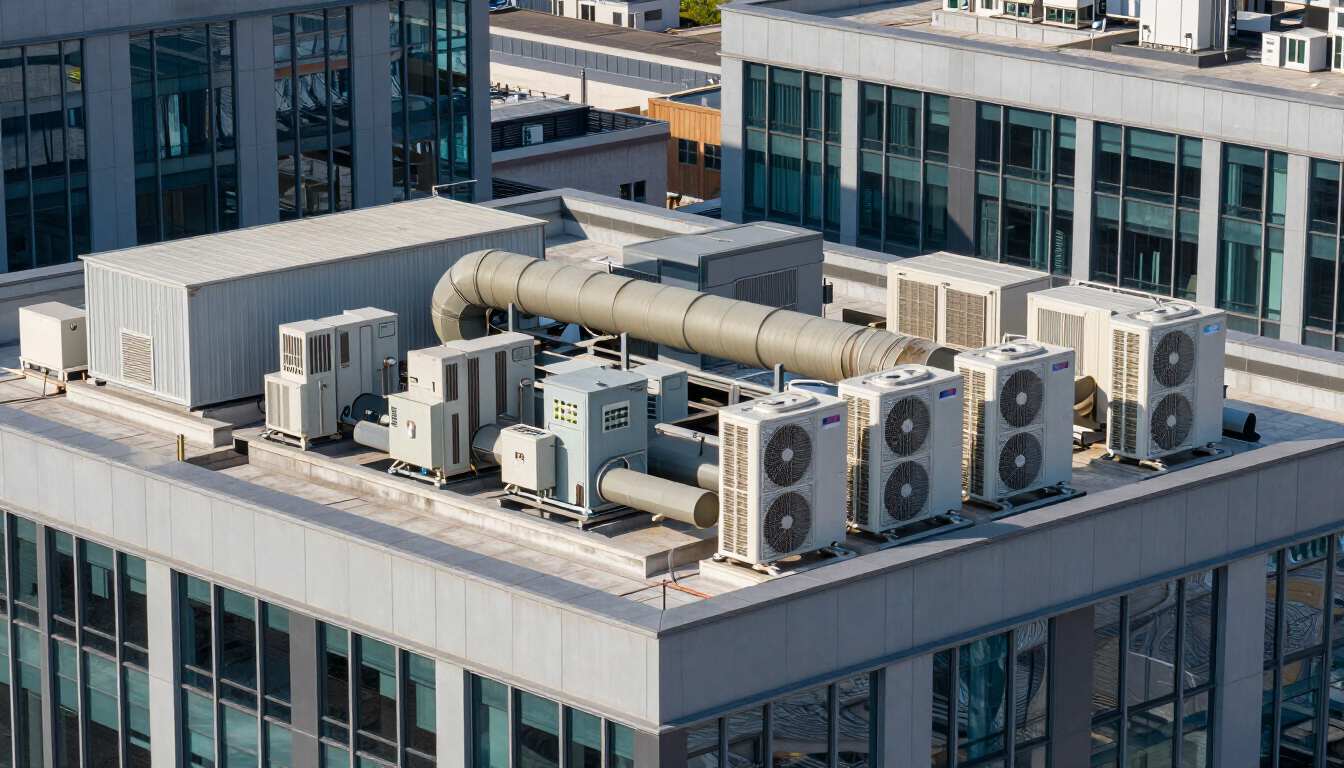
How Commercial HVAC Impacts Employee Productivity and Customer Experience
For businesses across California’s Central Coast, HVAC systems are often viewed as a background utility—something that simply keeps the building comfortable. But in reality, your HVAC system plays a direct role in employee productivity, customer satisfaction, and overall business performance.
Temperature, airflow, and indoor air quality all influence how people feel, think, and behave inside your building. When these elements are off—even slightly—it can lead to reduced efficiency, complaints, and lost revenue.
At SMI HVAC Services, we work with commercial clients who often discover that HVAC improvements don’t just reduce costs—they also improve workplace outcomes. This article explores how HVAC systems impact both employees and customers, and what businesses can do to optimize performance.
The Link Between HVAC and Workplace Productivity
Employee productivity is influenced by many factors, but indoor environment is one of the most overlooked.
Key environmental factors affected by HVAC:
- Temperature stability
- Air quality
- Humidity levels
- Air circulation
When these are properly managed, employees can focus, perform efficiently, and stay comfortable throughout the workday.
1. Temperature Control and Employee Performance
Temperature is one of the most immediate factors affecting comfort and productivity.
Problems caused by poor temperature control:
- Offices that are too hot lead to fatigue and decreased focus
- Cold environments cause discomfort and distraction
- Frequent temperature fluctuations disrupt concentration
Studies have shown that productivity drops when indoor temperatures fall outside the optimal range of approximately 68–74°F.
In commercial settings, this leads to:
- More breaks and interruptions
- Increased complaints
- Reduced efficiency
How to improve:
- Install properly sized HVAC systems
- Implement zoning for different areas
- Use programmable thermostats for consistency
2. Indoor Air Quality and Cognitive Function
Indoor air quality (IAQ) plays a major role in how employees think and feel.
Common IAQ issues in commercial buildings:
- Dust and allergens
- Poor ventilation
- High carbon dioxide levels
- Contaminants from equipment or materials
Poor air quality can cause:
- Headaches
- Fatigue
- Difficulty concentrating
- Increased sick days
In environments with inadequate ventilation, CO₂ levels can rise, which has been linked to reduced cognitive performance.
How to improve IAQ:
- Replace air filters regularly
- Schedule duct cleaning and inspections
- Improve ventilation systems
- Consider air purification solutions
3. Humidity Levels and Comfort
Humidity is often overlooked, but it significantly affects indoor comfort.
High humidity causes:
- Stuffy air
- Increased discomfort
- Mold growth risks
Low humidity causes:
- Dry skin and irritation
- Static electricity
- Respiratory discomfort
On the Central Coast, where coastal moisture and inland dryness can fluctuate, maintaining balanced humidity is especially important.
Best practice:
Maintain indoor humidity between 30%–50% for optimal comfort and health.
4. Airflow and Workspace Consistency
Airflow issues are common in commercial buildings, especially those with older duct systems.
Symptoms of poor airflow:
- Hot and cold spots
- Stagnant air
- Inconsistent temperatures between rooms
These problems often lead to employee complaints and adjustments to thermostats, which can worsen system efficiency.
Solutions include:
- Air balancing services
- Duct inspection and sealing
- Upgrading ventilation systems
Consistent airflow ensures all areas of the building remain comfortable.
How HVAC Affects Customer Experience
While employee productivity is critical, customer experience is equally important—especially in retail, hospitality, and service industries.
1. First Impressions Matter
Customers immediately notice the environment when they enter a space.
Negative HVAC-related impressions include:
- Overly hot or cold temperatures
- Stuffy or stale air
- Unpleasant odors
These factors can influence how long customers stay and whether they return.
2. Comfort Influences Time Spent in Business
In retail and hospitality environments, customer comfort directly impacts revenue.
Examples:
- Shoppers are more likely to stay longer in a comfortable store
- Restaurant patrons expect a pleasant dining environment
- Hotel guests expect consistent climate control
If the environment is uncomfortable, customers may leave sooner—or not return at all.
3. Air Quality and Health Perception
Customers are increasingly aware of indoor air quality.
Poor air quality can lead to:
- Negative perceptions of cleanliness
- Concerns about health and safety
- Reduced trust in the business
Clean, well-ventilated spaces create a more positive and professional impression.
Industry-Specific HVAC Considerations
Different industries have unique HVAC needs that directly impact productivity and experience.
Office Buildings
- Require consistent temperature control
- Need strong ventilation for large groups
- Benefit from zoning systems
Retail Stores
- Focus on customer comfort
- Must handle frequent door openings
- Require balanced airflow
Restaurants
- Need strong ventilation and odor control
- Require temperature balance between kitchen and dining areas
Warehouses and Industrial Spaces
- Focus on airflow and temperature consistency
- Must accommodate large open spaces
Medical and Professional Facilities
- Require high air quality standards
- Depend on precise environmental control
Central Coast Environmental Challenges
Businesses on California’s Central Coast face unique HVAC challenges that impact comfort and performance.
Key factors include:
- Coastal humidity and salt air
- Agricultural dust and allergens
- Temperature swings between inland and coastal areas
These conditions can affect system efficiency and indoor air quality if not properly managed.
Regular maintenance and system optimization are essential for maintaining consistent performance.
The Role of Maintenance in Performance
A well-maintained HVAC system performs more reliably and efficiently.
Benefits of regular maintenance:
- Consistent temperature control
- Improved air quality
- Reduced system downtime
- Lower energy costs
Preventive maintenance helps ensure your system supports both productivity and customer satisfaction.
Upgrading for Better Performance
If your current system struggles to maintain comfort, it may be time to consider upgrades.
Modern HVAC improvements include:
- Smart thermostats and automation
- Zoning systems for better control
- High-efficiency equipment
- Advanced filtration and purification
These upgrades not only improve comfort but also reduce long-term operating costs.
FAQs About HVAC and Workplace Performance
Can HVAC really affect employee productivity?
Yes. Temperature, air quality, and airflow all impact focus, comfort, and efficiency.
What’s the ideal office temperature?
Typically between 68–74°F, depending on occupancy and activity.
How often should commercial HVAC systems be serviced?
At least twice per year, or more frequently for high-use facilities.
How can I improve air quality quickly?
Replace filters, increase ventilation, and schedule duct cleaning.
Do HVAC upgrades improve customer experience?
Yes. Comfortable environments encourage longer visits and repeat business.
Create a Better Environment for Employees and Customers
Your HVAC system does more than regulate temperature—it shapes how people experience your business. Comfortable employees work more efficiently, and satisfied customers are more likely to return.
SMI HVAC Services helps Central Coast businesses optimize HVAC performance to support productivity, comfort, and long-term efficiency.
To schedule a commercial HVAC assessment, visit: https://www.smihvacservices.com/contact or call 805-567-7030.
SMI HVAC Services proudly supports businesses across California’s Central Coast with professional HVAC solutions.
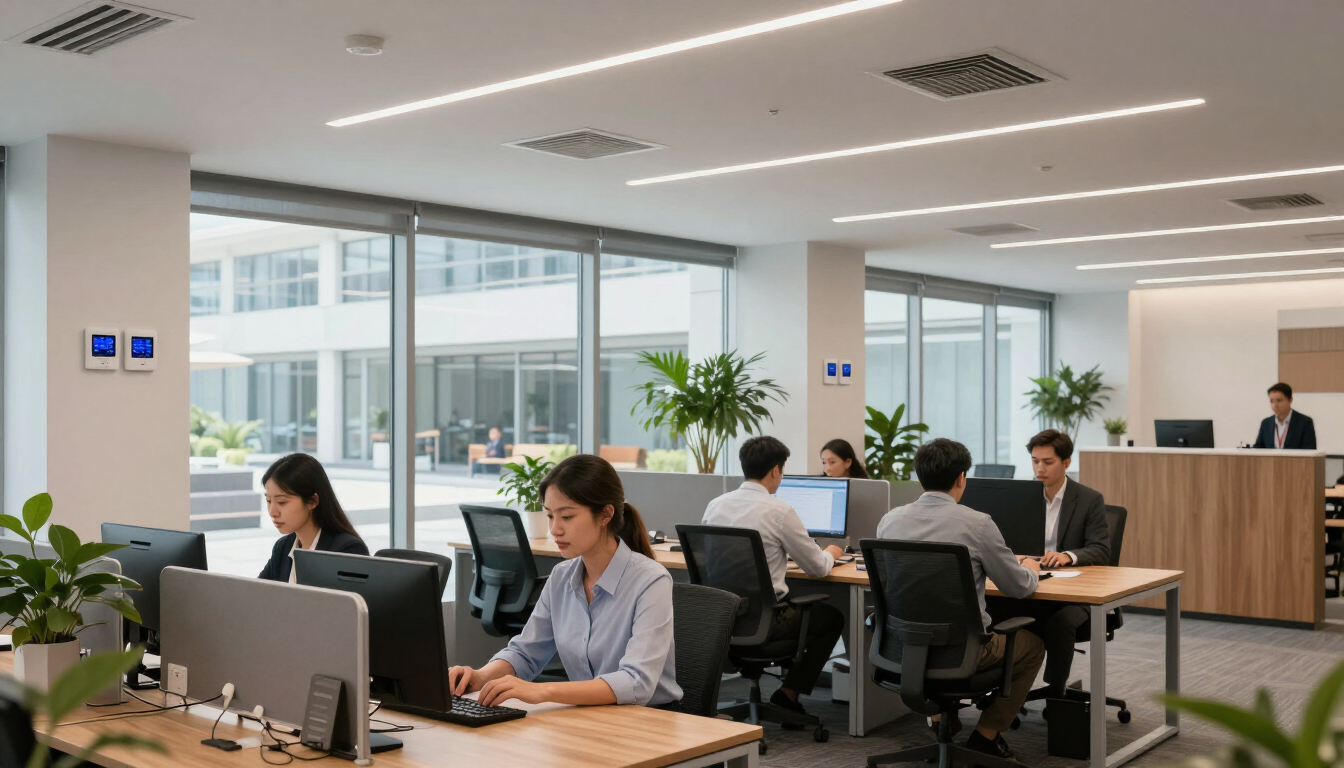

Contact Us Today!
Reliable HVAC solutions start here. Get in touch for expert service you can trust!
Recent posts