Signs Your Commercial HVAC System Is Costing You Money (And What to Do About It)
Your HVAC System Might Be Draining Your Budget Without You Realizing It
For many businesses across California’s
Central Coast, HVAC systems are one of the largest ongoing operational expenses. Heating, cooling, and ventilation can account for a significant portion of monthly utility bills—especially in larger commercial properties or facilities with extended operating hours.
The challenge is that HVAC inefficiencies are often
hidden. Unlike a broken system that stops working entirely, an inefficient system continues to run—quietly increasing energy costs, reducing performance, and shortening equipment lifespan.
At SMI HVAC Services, we frequently work with businesses that don’t realize how much money their HVAC system is wasting until a detailed inspection reveals the issue. The good news is that most of these problems are fixable once identified.
Below are the most common signs your commercial HVAC system is costing you money—and what you can do to correct them.
1. Rising Energy Bills Without Increased Usage
One of the clearest warning signs is a steady increase in energy costs without any change in business operations.
What this could indicate:
- Dirty coils or filters reducing efficiency
- Aging equipment losing performance
- Refrigerant issues
- Poor airflow or duct leaks
Commercial HVAC systems naturally lose some efficiency over time, but significant increases in energy use typically signal a problem.
What to do:
- Compare current utility bills to previous years
- Schedule a professional efficiency evaluation
- Implement a maintenance plan to restore performance
Even small inefficiencies can add up to thousands of dollars annually in large facilities.
2. Uneven Temperatures Across Your Building
Hot and cold spots are more than a comfort issue—they often indicate inefficiency.
Common causes:
- Poor air balancing
- Duct leaks or blockages
- Failing components
- Improper system sizing
In commercial buildings, uneven temperatures often lead to thermostat adjustments that force the system to work harder, increasing energy consumption.
What to do:
- Conduct airflow testing and balancing
- Inspect ductwork for leaks
- Evaluate zoning and control systems
Balanced airflow improves comfort while reducing system strain.
3. Frequent Repairs and Service Calls
If your HVAC system requires frequent repairs, it’s likely costing more than you realize.
Why this matters:
- Repair costs add up quickly
- Repeated issues indicate underlying system problems
- Downtime disrupts business operations
Frequent breakdowns are often a sign that the system is nearing the end of its useful life—or that maintenance has been insufficient.
What to do:
- Track repair frequency and costs
- Compare repair costs to replacement value
- Consider upgrading to a more efficient system
At a certain point, continued repairs become more expensive than replacement.
4. Your System Runs Constantly
Commercial HVAC systems are designed to cycle on and off as needed. If your system is running continuously, it’s working inefficiently.
Possible causes:
- Undersized equipment
- Poor insulation or air leakage
- Dirty components restricting airflow
- Thermostat or control issues
Constant operation increases energy use and accelerates wear on critical components.
What to do:
- Evaluate system sizing
- Inspect insulation and building envelope
- Clean and service system components
Addressing the root cause restores proper cycling and reduces energy waste.
5. Outdated or Aging Equipment
Age is one of the biggest factors in HVAC efficiency.
Typical lifespan of commercial systems:
- Rooftop units: 15–20 years
- Split systems: 15–20 years
- Larger systems: up to 25 years with proper maintenance
Older systems:
- Use more energy
- Break down more frequently
- Lack modern efficiency features
What to do:
- Assess system age and performance
- Compare operating costs with newer systems
- Explore energy-efficient replacement options
New systems often provide significant savings through improved technology and controls.
6. Poor Indoor Air Quality Complaints
Indoor air quality (IAQ) issues are often linked to HVAC inefficiencies.
Common signs:
- Dust buildup
- Odors
- Stuffy or stale air
- Employee or tenant complaints
These issues can indicate:
- Dirty filters or ducts
- Inadequate ventilation
- Poor humidity control
What to do:
- Replace filters regularly
- Schedule duct cleaning and inspection
- Evaluate ventilation systems
Improving air quality often improves system efficiency as well.
7. Short Cycling or Frequent Start/Stop Behavior
Short cycling occurs when the system turns on and off too frequently.
Why it’s a problem:
- Wastes energy during startup cycles
- Increases wear on components
- Reduces system lifespan
Common causes:
- Oversized equipment
- Thermostat issues
- Refrigerant problems
What to do:
- Have a technician diagnose system sizing and controls
- Address refrigerant or airflow issues
Correcting short cycling improves efficiency and reliability.
8. Lack of Modern Controls or Automation
Older systems often rely on outdated thermostats and manual controls.
Limitations of outdated systems:
- No scheduling capabilities
- Inconsistent temperature control
- Higher energy usage
Modern solutions include:
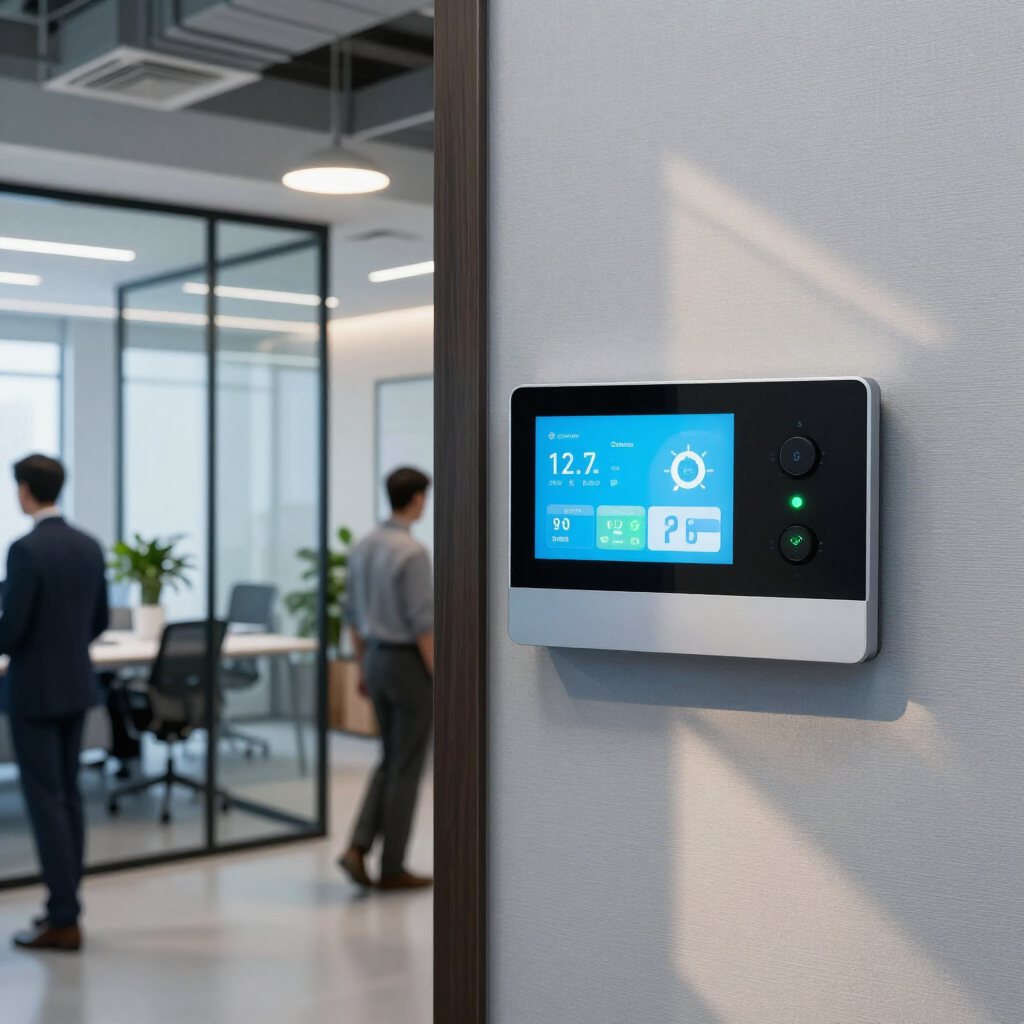
- Smart thermostats
- Building automation systems (BAS)
- Remote monitoring and diagnostics
What to do:
- Upgrade to programmable or smart controls
- Implement automated scheduling
- Monitor energy usage in real time
Automation helps reduce waste and optimize performance.
9. Ignoring Preventive Maintenance
Skipping regular maintenance is one of the biggest contributors to inefficiency.
Consequences:
- Reduced airflow
- Increased energy consumption
- Higher risk of breakdowns
According to the
U.S. Department of Energy, proper maintenance can improve efficiency by up to 15%.
What to do:
- Establish a regular maintenance schedule
- Partner with a commercial HVAC provider
- Keep detailed service records
Preventive maintenance is one of the most cost-effective ways to improve performance.
10. Duct Leaks and Air Loss
Ductwork problems are a hidden source of energy waste.
Impact of duct leaks:
- Up to
30% of conditioned air lost
- Increased energy usage
- Reduced comfort
What to do:
- Conduct a duct inspection
- Seal leaks professionally
- Improve insulation where needed
Fixing duct issues often delivers immediate efficiency gains.
Central Coast Factors That Increase HVAC Costs
Businesses on the Central Coast face unique environmental challenges:
- Coastal salt air causing corrosion
- Agricultural dust affecting filters and airflow
- Humidity fluctuations
- Temperature variations between inland and coastal areas
These factors can accelerate wear and reduce efficiency if not properly managed.
When to Repair vs Replace Your System
If your system shows multiple warning signs, it may be time to evaluate replacement.
Consider replacement if:
- Repair costs exceed 40–50% of replacement cost
- System is over 15–20 years old
- Energy bills are consistently rising
- Comfort issues persist
New systems offer improved efficiency, lower operating costs, and better performance.
FAQs About Commercial HVAC Efficiency
How can I tell if my HVAC system is inefficient?
Look for rising energy bills, uneven temperatures, and frequent repairs.
How much can efficiency improvements save?
Many businesses see
10–30% energy savings after upgrades or maintenance.
Are energy audits worth it?
Yes. They identify inefficiencies and provide actionable recommendations.
How often should systems be inspected?
At least twice per year, or quarterly for high-use facilities.
Do newer systems really make a difference?
Yes. Modern systems are significantly more efficient and reliable.
Take Control of Your HVAC Costs
If your commercial HVAC system is showing any of these signs, it’s likely costing your business more than necessary. Identifying and correcting inefficiencies can reduce expenses, improve comfort, and extend equipment life.
SMI HVAC Services works with businesses across California’s Central Coast to diagnose performance issues, optimize systems, and deliver long-term savings through professional HVAC solutions.
Visit:
https://www.smihvacservices.com/contact or call
(805) 567-7030 to schedule a commercial HVAC evaluation.
SMI HVAC Services proudly supports Central Coast businesses with efficient, reliable HVAC solutions.
Recent posts