Rooftop HVAC Units (RTUs): Maintenance, Lifespan, and Replacement Guide for Central Coast Businesses
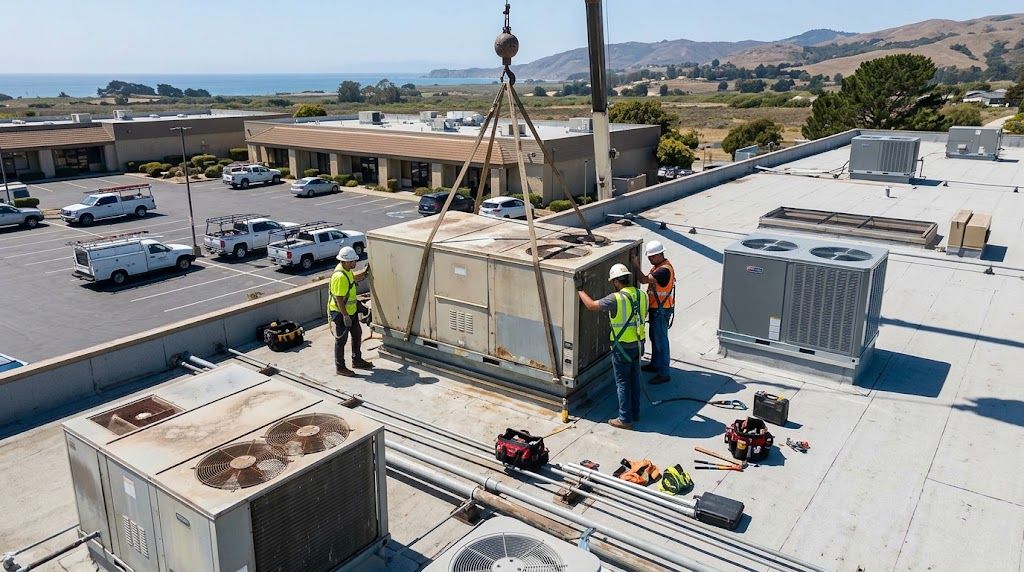
For businesses across California’s Central Coast, rooftop HVAC units (RTUs) are one of the most widely used heating and cooling solutions. From retail stores and office buildings to restaurants and warehouses, RTUs provide reliable, space-saving climate control.
However, because these systems are installed out of sight, they are often out of mind—until something goes wrong. Without proper maintenance, rooftop units can become inefficient, prone to breakdowns, and costly to operate.
At SMI HVAC Services, we work extensively with RTUs across the Central Coast, helping businesses maintain performance, extend system lifespan, and plan for timely replacements. This guide explains everything you need to know to protect your rooftop HVAC investment.
What Is a Rooftop HVAC Unit (RTU)?
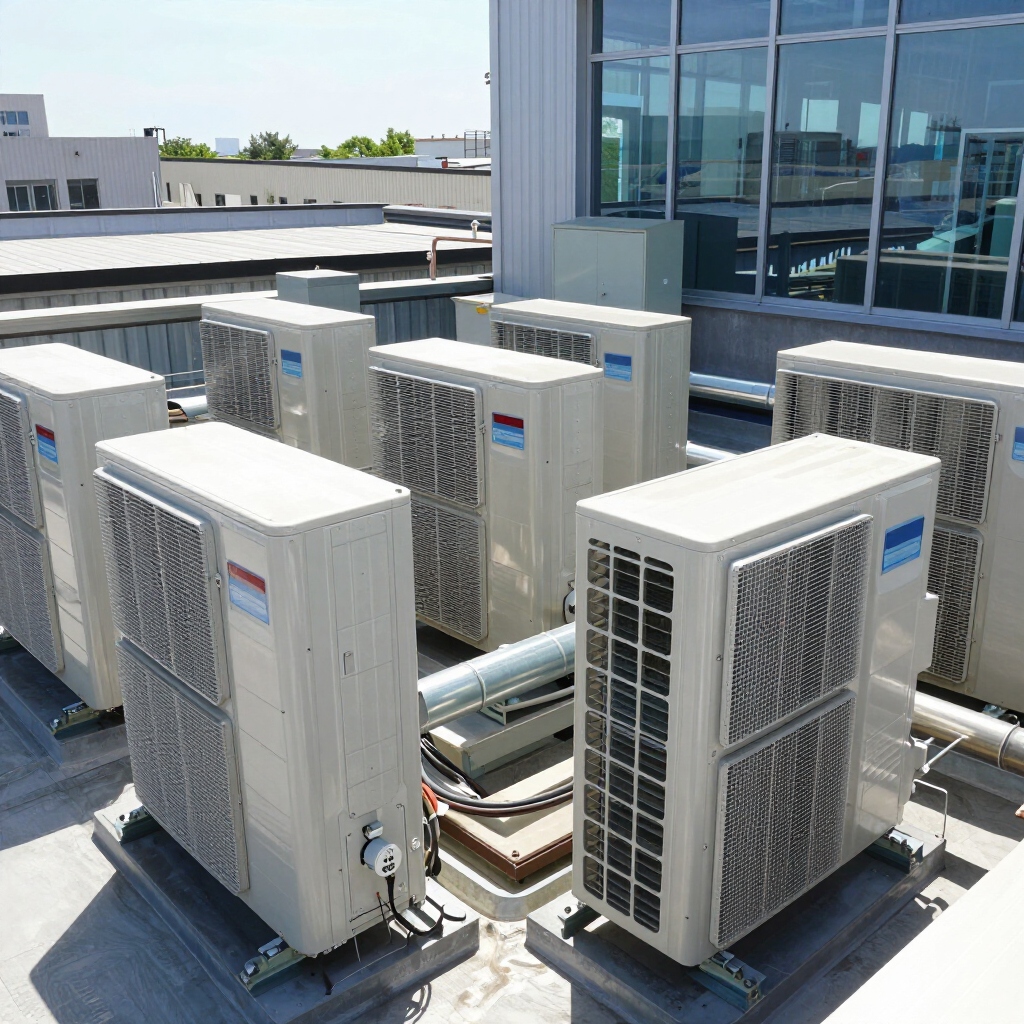
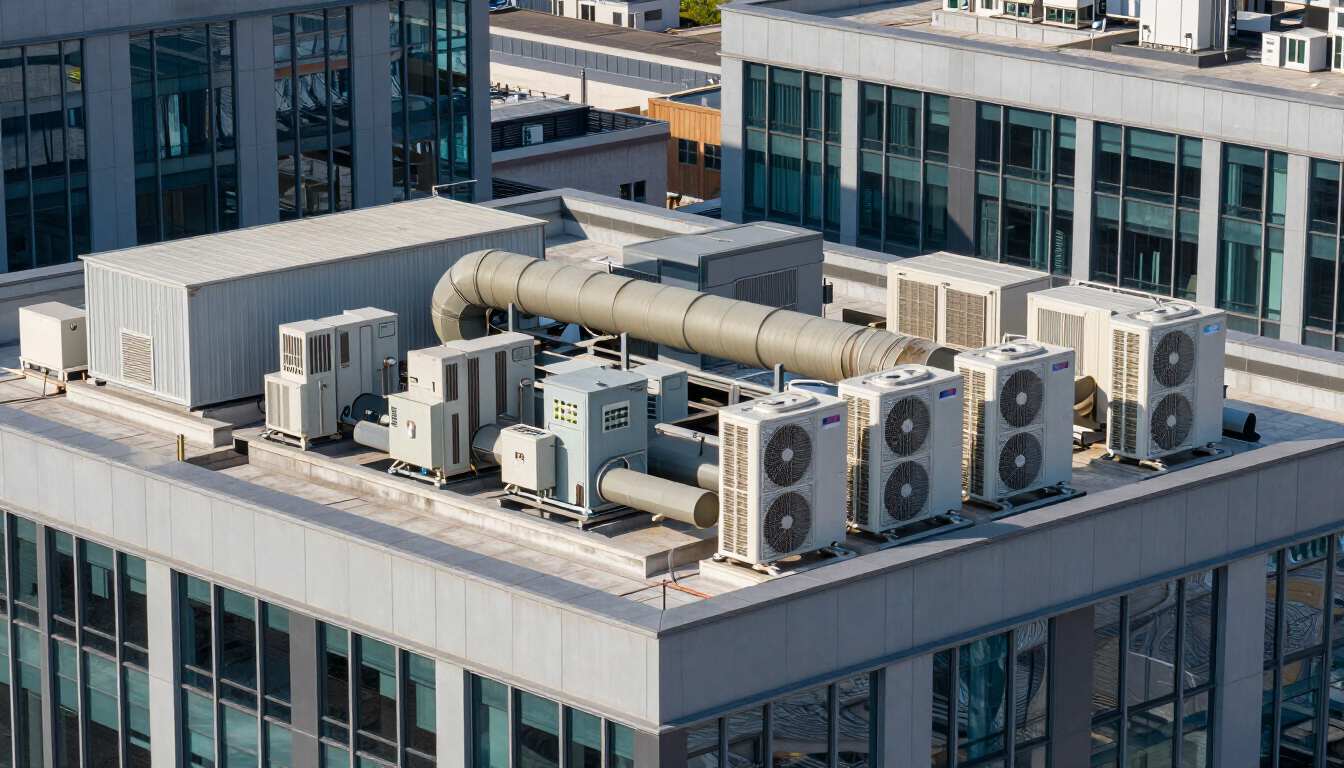
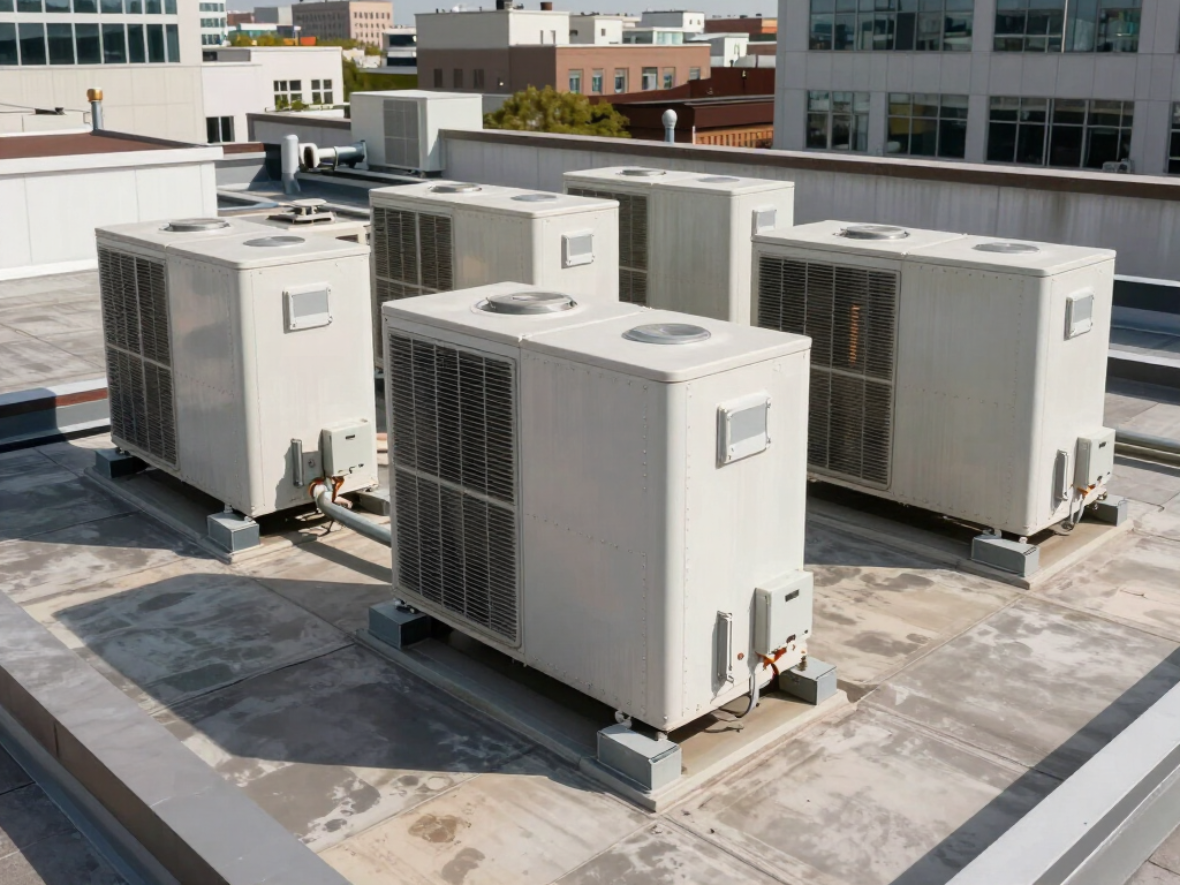
A rooftop unit is a self-contained HVAC system installed on the roof of a commercial building. It houses all major components—including the compressor, condenser, evaporator, and blower—in a single cabinet.
Why RTUs are popular in commercial settings:
- Save interior space
- Simplify installation and duct connections
- Allow for scalable multi-unit configurations
- Provide easier access for technicians (compared to indoor systems)
RTUs are especially common in:
- Retail centers
- Restaurants
- Office buildings
- Light industrial facilities
Why Rooftop Units Require Specialized Maintenance
Unlike indoor HVAC systems, RTUs are exposed to the elements year-round.
On the Central Coast, that means:
- Salt air corrosion from coastal environments
- Agricultural dust and debris
- Moisture and humidity fluctuations
- Sun exposure and temperature swings
These conditions accelerate wear and tear, making regular maintenance essential for performance and longevity.
Key Components of an RTU That Require Attention
Understanding the main components of your rooftop unit helps explain why maintenance is so important.
1. Coils (Evaporator and Condenser)
- Responsible for heat exchange
- Easily clogged by dirt and debris
- Reduced efficiency when dirty
2. Compressors
- The heart of the system
- Expensive to replace
- Sensitive to refrigerant issues and overheating
3. Fans and Motors
- Move air through the system
- Wear down over time without lubrication
4. Electrical Components
- Contactors, capacitors, wiring
- Vulnerable to corrosion and failure
5. Filters and Airflow Systems
- Essential for airflow and air quality
- Must be replaced regularly
Each of these components must be inspected and maintained to ensure reliable operation.
How Often Should Rooftop Units Be Serviced?
The service frequency depends on usage and environment, but general guidelines include:
Recommended Maintenance Schedule
- Twice per year: Minimum for most commercial buildings
- Quarterly: Restaurants, high-use facilities, or dusty environments
- Monthly filter checks: Especially in high-traffic areas
Regular service helps identify problems before they lead to system failure.
What Happens During RTU Maintenance
A professional rooftop unit maintenance visit typically includes:
Inspection
- Checking overall system condition
- Identifying worn or failing components
Cleaning
- Removing debris from coils
- Clearing drain lines
- Cleaning filters and fans
Testing
- Measuring refrigerant levels
- Checking electrical connections
- Verifying airflow and temperature output
Adjustments
- Calibrating controls
- Tightening connections
- Lubricating moving parts
This comprehensive approach ensures your system runs efficiently and reliably.
Common Rooftop Unit Problems
Without proper maintenance, RTUs can develop several issues.
1. Dirty Coils
- Reduce efficiency
- Increase energy consumption
- Cause overheating
2. Refrigerant Leaks
- Reduce cooling capacity
- Damage compressors
3. Electrical Failures
- Lead to system shutdowns
- Often caused by corrosion
4. Airflow Restrictions
- Caused by clogged filters or ducts
- Reduce system performance
5. Water Leaks
- Result from clogged drain lines
- Can damage building interiors
Early detection through maintenance prevents these issues from escalating.
How Long Do Rooftop HVAC Units Last?
The typical lifespan of a commercial RTU is:
- 15–20 years with proper maintenance
- 10–15 years with minimal maintenance
Factors that affect lifespan:
- Maintenance frequency
- Environmental conditions
- Usage intensity
- Installation quality
On the Central Coast, coastal conditions can shorten lifespan without protective measures.
Signs Your RTU May Need Replacement
Knowing when to replace your rooftop unit can prevent costly downtime.
Warning signs include:
- Frequent repairs
- Rising energy bills
- Inconsistent temperatures
- Excessive noise or vibration
- System age over 15 years
When repair costs begin to approach replacement costs, upgrading becomes the more cost-effective option.
Benefits of Upgrading to a New RTU
Modern rooftop units offer significant advantages over older systems.
1. Improved Energy Efficiency
- Higher SEER2 ratings
- Lower operating costs
2. Advanced Controls
- Smart thermostats
- Remote monitoring
- Automation capabilities
3. Better Air Quality
- Improved filtration systems
- Enhanced ventilation
4. Reduced Maintenance Needs
- More durable components
- Improved design
These upgrades can deliver long-term savings and better performance.
Energy Efficiency and Cost Savings
Replacing an outdated RTU can reduce energy consumption by 20–30% or more, depending on the system.
For large commercial buildings, this can translate into:
- Thousands of dollars in annual savings
- Reduced environmental impact
- Improved system reliability
Energy-efficient systems may also qualify for rebates and incentives in California.
Central Coast Considerations for Rooftop Units
Businesses on the Central Coast should consider:
Coastal Protection
- Anti-corrosion coatings
- Stainless steel components
Dust Management
- Frequent filter changes
- Regular coil cleaning
Humidity Control
- Proper drainage systems
- Dehumidification features
Customizing your system for local conditions improves durability and performance.
Repair vs Replace: Making the Right Decision
Deciding whether to repair or replace your RTU depends on several factors.
Choose repair if:
- System is under 10 years old
- Issue is minor
- Repair cost is low
Choose replacement if:
- System is over 15 years old
- Repairs are frequent
- Energy costs are rising
- Major components are failing
A professional assessment helps determine the most cost-effective option.
FAQs About Rooftop HVAC Units
How often should RTU filters be replaced?
Every 1–3 months, depending on building usage.
Can RTUs be upgraded with smart controls?
Yes. Many systems can be retrofitted with modern control systems.
How long does RTU replacement take?
Typically 1–3 days, depending on system size and complexity.
Are rooftop units energy efficient?
Modern RTUs are highly efficient, especially compared to older models.
What’s the biggest cause of RTU failure?
Lack of maintenance is the leading cause of premature failure.
Protect Your Rooftop HVAC Investment
Rooftop HVAC units are essential to your building’s performance, comfort, and efficiency. With proper maintenance and timely upgrades, they can deliver reliable service for many years.
SMI HVAC Services works with businesses across California’s Central Coast to maintain, repair, and replace rooftop HVAC systems with a focus on long-term performance and cost savings.
To schedule an inspection or consultation, visit: https://www.smihvacservices.com/contact or call (805) 567-7030.
SMI HVAC Services proudly supports Central Coast businesses with professional commercial HVAC solutions.
Contact Us Today!
Reliable HVAC solutions start here. Get in touch for expert service you can trust!
Recent posts